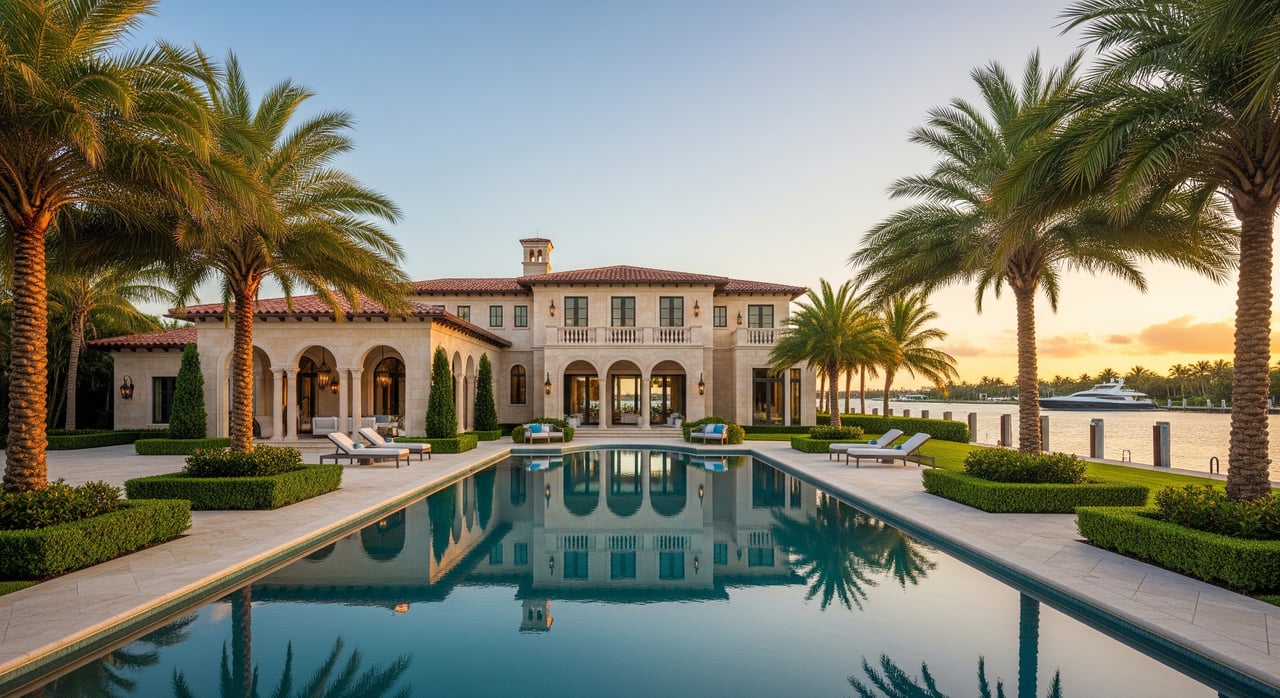
Inside the Palm Beach Luxury Market: Timing & Inventory
Is now the right moment to make a move on Palm Beach island, or should you wait for the next season? When you are dealing with trophy and estate-class homes, timing and inventory shape outcomes as much as price. This guide breaks down how Palm Beach luxury works, when activity concentrates, and how to position yourself to act with confidence. You will learn how seasonality, inventory tiers, and specific value drivers affect your strategy. Let’s dive in.
“Luxury” in Palm Beach is best understood by tiers. Many brokers segment by percentiles, where the top 10 percent of sales represent luxury and the top 1 percent represent ultra-luxury or trophy. Practitioners also use price bands that roughly sort the market, but on Palm Beach island, absolute thresholds skew higher than the region.
Geography matters. The Town of Palm Beach is a unique micro-market with limited land, significant oceanfront and Intracoastal frontage, and blue-chip streets near Worth Avenue. Do not mix island data with county or metro aggregates. Always separate island results from West Palm Beach, Boca Raton, or the broader metro.
Palm Beach is highly seasonal. Peak buyer and listing activity concentrates from November through April, reflecting snowbird patterns and a packed social calendar. More qualified buyers are in town, which increases showing volume and speeds up negotiations.
If you want maximum exposure, aim to list in October through early December or relaunch in January. Listing ahead of the peak months helps you build momentum as the season opens. Summer can still work for tactical reasons, but buyer presence is thinner.
In high season, you get more choice but face more competition. Off-season can offer better leverage and quieter negotiations, though inventory is slimmer. Truly exceptional trophy estates may sell at any time because they wait for the right buyer, not the calendar.
High-end transactions often require longer lead times. Plan for extended due diligence, including bespoke inspections, seawall certifications, insurance coordination, and title work. Many trophy and estate deals run 45 to 120 days or more from contract to close, depending on the parties and the property.
Inventory on Palm Beach island is thin and lumpy. A few new listings can change the landscape, and one large closing can skew averages. You will see a mix of renovation-ready oceanfront tear-downs, turnkey estates, architecturally significant properties, and rare new construction or lot assemblages.
Liquidity declines as price rises. In the upper-luxury range around 3 to 10 million, competitive pricing can produce sales in weeks to a few months. Trophy properties around 10 to 30 million often take several months and can extend to about a year if mispriced. Estate-class properties above 30 million frequently require a year or more, with outcomes driven by uniqueness and buyer fit.
Seasonality matters here too. Days on market shorten during the winter season and stretch in the summer. Listings launched at the start of the season tend to enjoy stronger visibility and faster paths to an accepted offer than similar homes that debut in late summer.
Position ahead of the season. If you target a winter sale, list in early fall or plan a January relaunch. If improvements are needed, schedule work so the property is market-ready before winter.
Price to the market, not the wish list. Use percentile context and relevant comps instead of applying blanket premiums. A smart initial price can attract multiple buyers and shorten marketing time. Overreaching often leads to long days on market and later reductions.
Market globally and privately. High-caliber photography, film, virtual tours, and private broker previews are essential. Quiet “whisper” outreach to vetted buyer lists can surface interest before a public debut.
Prepare for diligence. Order preliminary title, address seawall and insurance questions, and consider a pre-listing inspection to reduce friction. Set expectations for longer windows on estate-class assets and the possibility of staged relaunches.
Choose your window. Winter offers more selection. Summer can yield stronger leverage on specific properties, especially if you are targeting motivated sellers. If your needs are exacting, be ready to act privately off-season.
Prioritize diligence early. Request surveys, structural reports, seawall certifications, insurance quotes, and any historic or conservation overlays up front. Build time for specialists such as marine, elevator, or safe-room professionals.
Decide on cash or financing. If you plan to finance, secure jumbo pre-approval with a lender experienced in complex coastal property. Cash buyers should plan liquidity and escrow timing procedures well in advance.
Negotiate with context. Some sellers want specific closing dates tied to seasonal moves. Others are legacy holders and may be less price-sensitive. Local broker intelligence helps you read the room before you write the offer.
International considerations matter. Factor currency timing, cross-border tax planning, and repatriation rules into your purchase timeline. Coordinate with legal and tax advisors early.
At this level, every decision is both lifestyle and asset management. A finance-first, boutique approach helps you price with precision, market globally with discretion, and navigate insurance, seawalls, and permitting without surprises. If you are weighing a sale, a strategic relaunch, or a targeted search, let’s map the right timing and positioning for your goals.
Ready to discuss your next move on Palm Beach island? Schedule a private, confidential consult with Illustrated Properties Palm Beach.
Stay up to date on the latest real estate trends.
Ready to transform your real estate experience? Contact Thomas now to discover how he can guide you with personalized service, exceptional results, and unmatched expertise. Let's achieve your goals together!