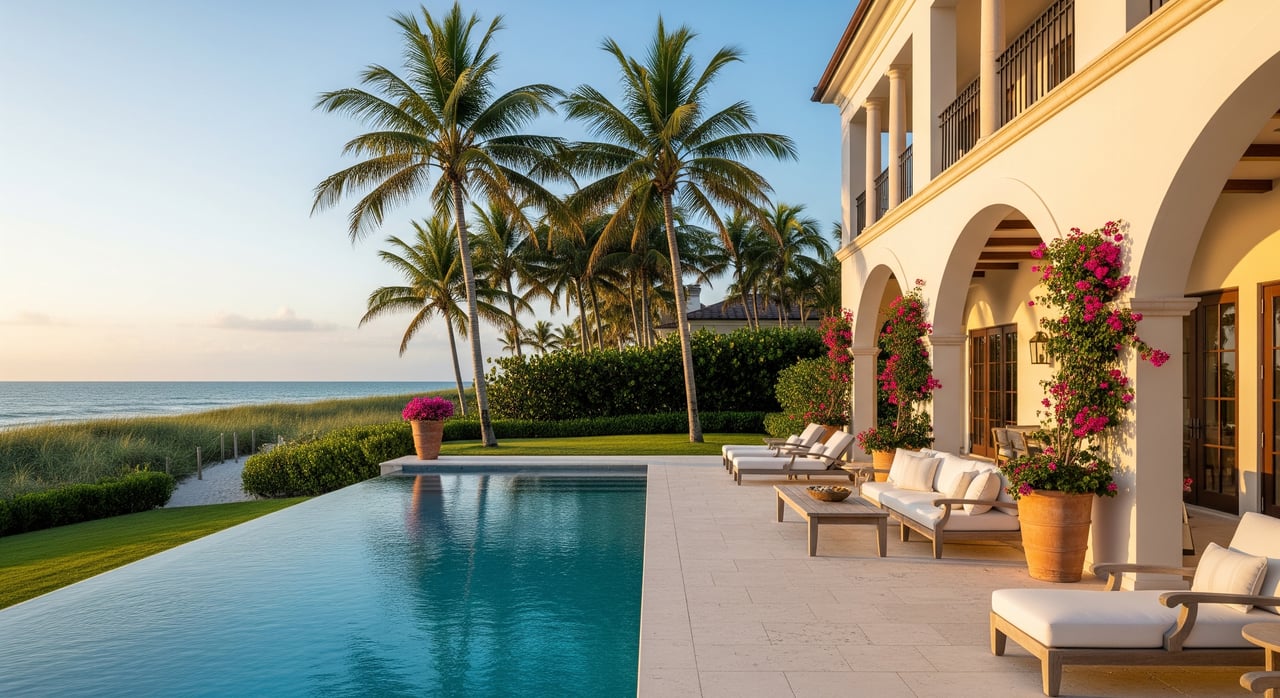
Inside Palm Beach Oceanfront Estates & Lifestyle
Considering an oceanfront estate in Palm Beach? If you are comparing options across Monaco, Malibu, the Hamptons, or Miami Beach, you want facts that cut through the gloss. You care about privacy, pedigree, and performance. In this guide, you will learn how Palm Beach oceanfront parcels are configured, which features drive value, the risks to underwrite, and how to structure a smart search. Let’s dive in.
Palm Beach is a narrow Atlantic barrier island with a finite run of private beachfront. That physical constraint, combined with steady demand from domestic and international ultra high net worth buyers, creates persistent scarcity for true oceanfront parcels. Town planning and historical platting limit easy subdivision, which supports long-run price premiums across the island’s best addresses. You can review high-level land-use and permitting context on the Town of Palm Beach official site.
Historic oceanfront lots were often platted in roughly 100-foot frontage increments. Wider parcels with 150 to 200-plus feet of beach frontage are rarer and command outsized premiums. Depth matters too. Some estate properties span the island, offering both Atlantic frontage and private Intracoastal access. This two-water configuration is a distinct trophy typology and a major value driver.
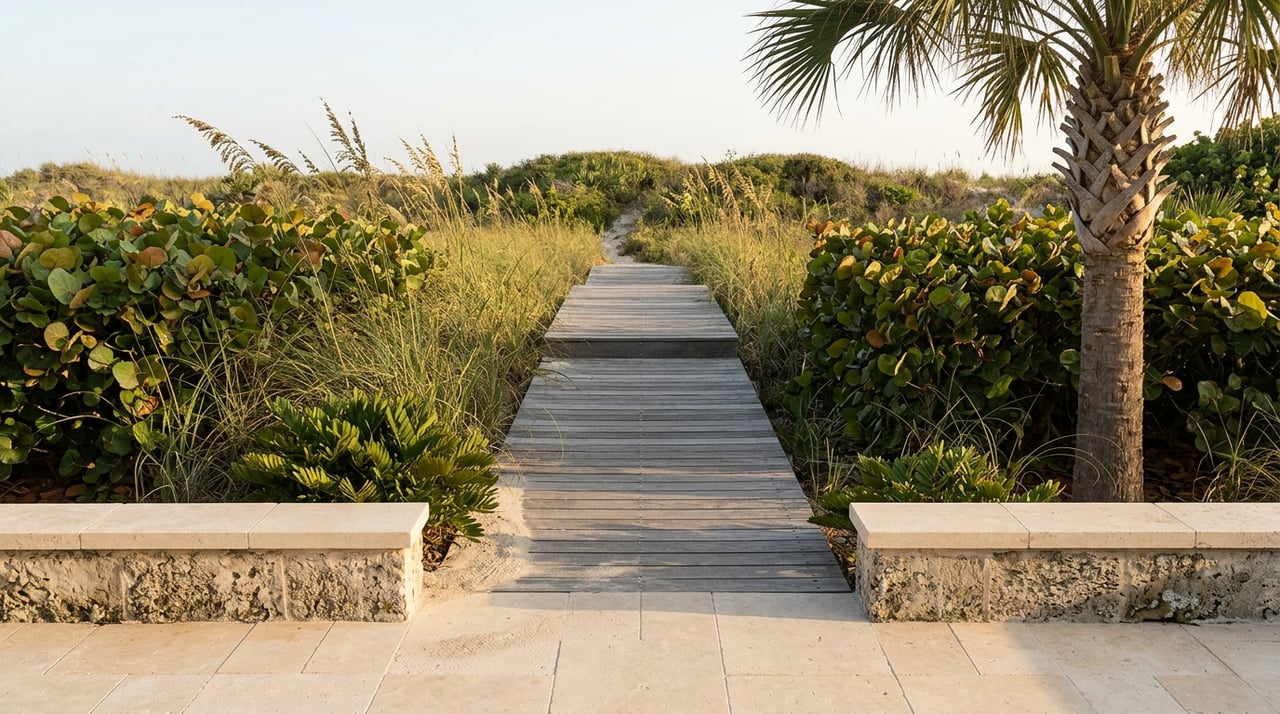
Public beach access points exist at select locations in Palm Beach, but they are limited. Many estates maintain private dune crossovers and controlled access paths. When you evaluate a site, verify recorded easements, crossovers, and any public rights of way during title review. Local shoreline stewardship and beach management are guided by agencies such as the Florida Department of Environmental Protection’s beaches programs.
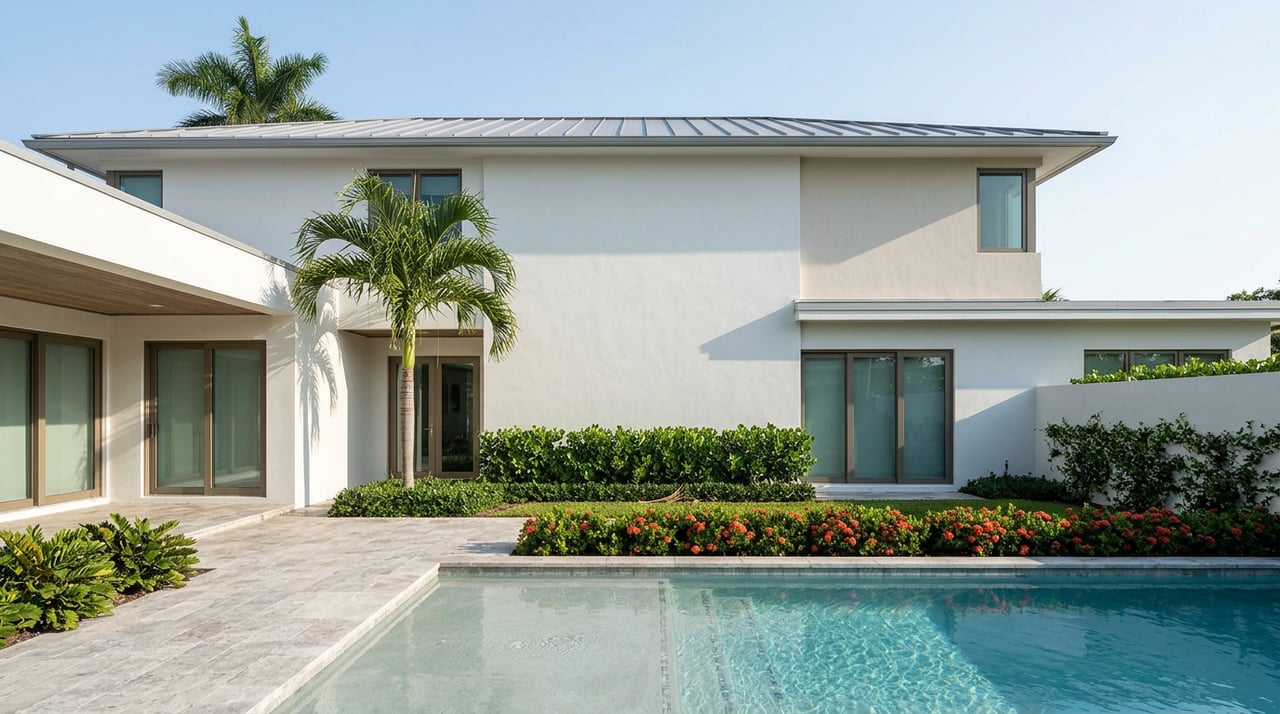
Palm Beach’s architectural identity blends Addison Mizner–influenced Mediterranean and Spanish Revival, classical Beaux-Arts, and high-caliber contemporary design. Buyers often choose between meticulously preserved historic estates and modern compounds tailored for privacy. Historic overlays and town design reviews help maintain the island’s character, so align your design vision with local context early in planning.
Coastal estates typically integrate elevated construction, reinforced concrete, and impact glazing. Whole-house generators, redundant utility feeds, and advanced access control are common. You also see safe rooms, CCTV, and climate-controlled spaces for art and wine. These features are not only lifestyle upgrades. They are part of a resilience and risk management strategy that supports long-term ownership value.
Palm Beach is anchored by a winter social season with private clubs, luxury hotels, and Worth Avenue retail shaping the calendar. The scene favors discretion, philanthropy, and established traditions. Proximity to these anchors influences desirability and daily convenience.
Private aviation access via Palm Beach International Airport simplifies arrivals for domestic and international owners. Many estates coordinate car services and yacht logistics through dedicated staff. Two-water parcels can streamline boating access to the Intracoastal and ocean, subject to local permitting and navigation considerations.
Access to Worth Avenue, key clubs, and services matters in practice. Even among oceanfront estates, locations that simplify daily routines and seasonal hosting attract stronger demand.
Typical buyers are UHNW individuals from the Northeast, Midwest, and major finance or tech hubs, plus international families from Latin America and Europe. Many are second-home buyers who value Florida’s tax climate, privacy, and legal certainty.
Active listing and sales periods often cluster around fall and winter. Inventory for true oceanfront is thin, which can lead to fast-moving negotiations for best-in-class properties. Public records through the Palm Beach County Property Appraiser can help you verify parcel history, lot dimensions, and recorded improvements.
Oceanfront parcels face hurricane exposure, storm surge, and long-term sea-level rise. Much of the immediate beachfront lies in FEMA VE coastal high-hazard zones. Lenders and title companies may require flood insurance. You can confirm a property’s designation using the FEMA Flood Map Service Center and review general sea-level context from the NOAA National Ocean Service.
Insurance for oceanfront estates typically includes homeowner coverage, separate windstorm policies and deductibles, and flood insurance. Some owners use layered or bespoke programs through specialist brokers. Plan for recurring costs such as property taxes, staff and maintenance, landscaping, pool and mechanical upkeep, and any HOA or association fees. Secondary homes often do not qualify for homestead exemptions, so include tax modeling in your plan.
Florida’s Coastal Construction Control Line limits what can be built or rebuilt seaward of regulated lines. Oceanfront work can involve multi-agency review, extended timelines, and specific engineering solutions. Familiarize yourself with the state program via the Florida DEP’s Coastal Construction Control Line information and the town’s local permitting process on the Town of Palm Beach site.
Dune protection, seawalls, and periodic beach renourishment are part of responsible ownership. Projects are often coordinated with local and federal partners, including the U.S. Army Corps of Engineers. Confirm current and planned shoreline work, cost allocation, and any recorded obligations during due diligence.
Use this framework to evaluate any Palm Beach oceanfront estate:
Palm Beach typically offers larger private land parcels with more landscape privacy than dense European micro-markets. Buyers also cite the U.S. legal system and Florida’s tax climate as key advantages.
Malibu offers dramatic coastline and a West Coast lifestyle. Palm Beach delivers a polished, club-oriented ecosystem with strong architectural continuity. Many East Coast owners prefer Palm Beach for its winter season and island scale.
The Hamptons are summer-centric and closer to New York City. Palm Beach offers year-round warmth with a winter social season and a high concentration of true oceanfront parcels on a single barrier island.
Miami Beach skews toward contemporary condos and nightlife. Palm Beach positions itself as more traditional and private, with historic estates and a quieter calendar. Both benefit from international access and a robust luxury services infrastructure.
Palm Beach oceanfront estates combine three linked scarcities: rare land, established social access, and historic or architectural pedigree. That is why the best properties hold a global blue-chip premium over time. If you want to make a confident move, pair rigorous due diligence with discreet local reach and a clear acquisition plan.
Ready to explore the market with a finance-first, boutique advisory? Schedule a private consultation with Illustrated Properties Palm Beach to map your strategy and access on- and off-market opportunities.
Stay up to date on the latest real estate trends.
Ready to transform your real estate experience? Contact Thomas now to discover how he can guide you with personalized service, exceptional results, and unmatched expertise. Let's achieve your goals together!