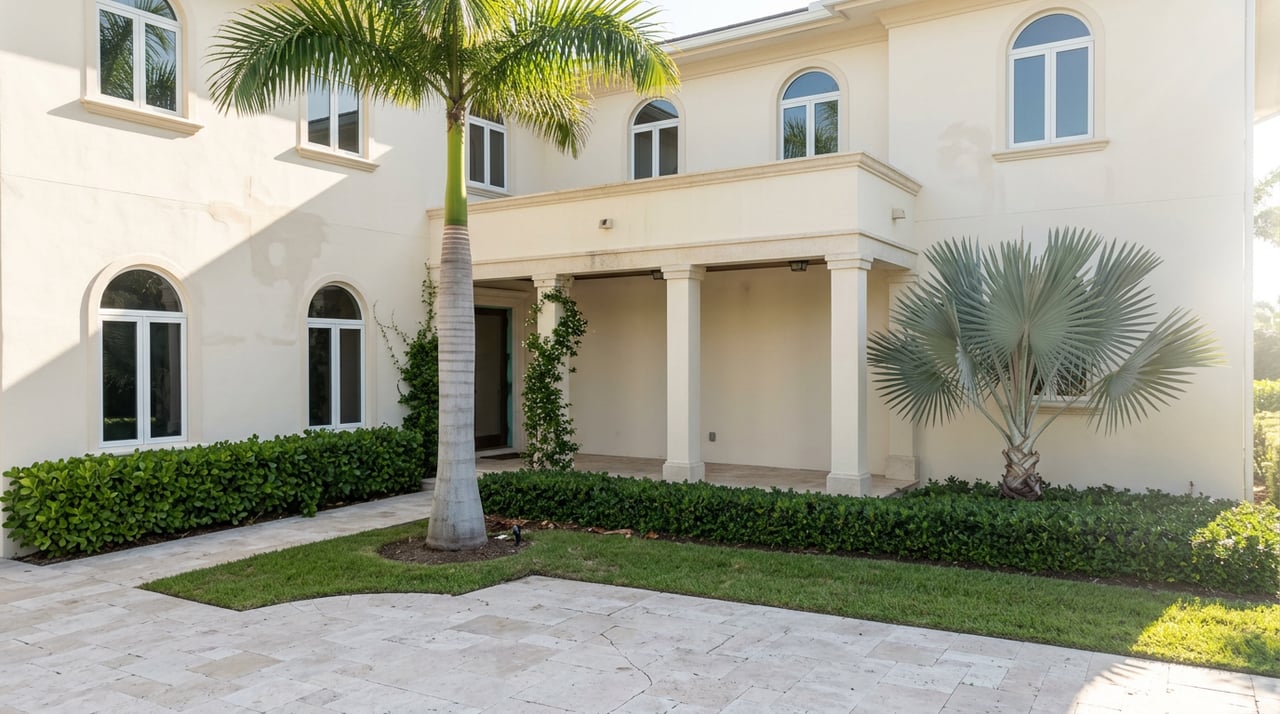
If you are weighing a move on Jupiter Island, you are looking at one of Florida’s most exclusive stretches of coastline. The island’s scarcity and privacy create a unique market where trophy end users and investors often play by very different rules. In this guide, you will learn how inventory behaves, what drives pricing and liquidity, how short-term rentals really work, and the key tax and insurance factors to underwrite before you buy. Let’s dive in.
Jupiter Island at a glance
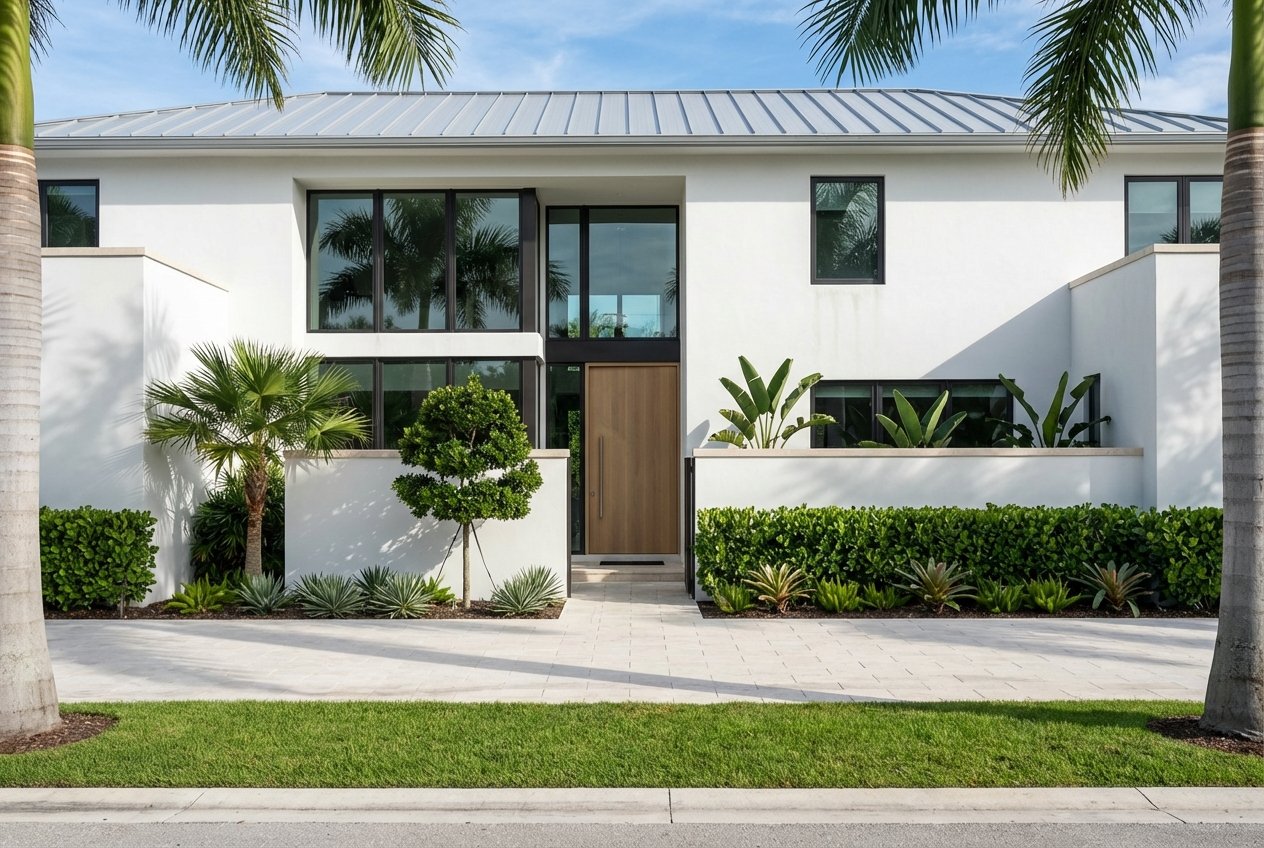
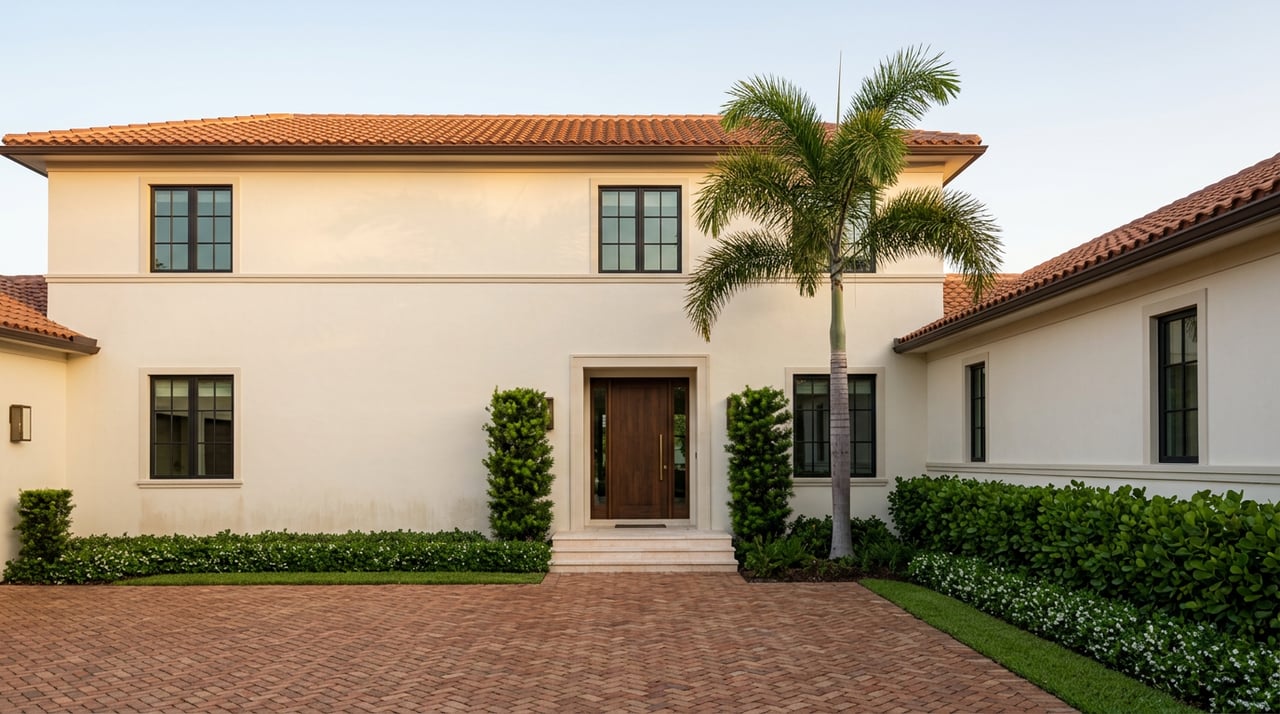
Jupiter Island is a narrow barrier island in southern Martin County with roughly 705 taxable parcels and a small permanent population. The town is deliberately low density and predominantly single-family residential, which helps preserve privacy and a quiet streetscape. You can review the town’s parcel counts and community snapshot in the official Community Profile.
At the ultra-luxury level, the market spans from multi-million to tens-of-millions. With so few sales each year, a single trophy closing can swing monthly medians sharply. Treat one-month medians as noisy and focus on multi-year context and true physical comparables.
Active inventory is typically a handful of oceanfront and Intracoastal estates plus a small number of new builds. Listing counts for the entire town can sit in the low double digits at times. Small samples and high price points create elevated volatility, so plan your timing and pricing strategy with care.
Who buys here: end users
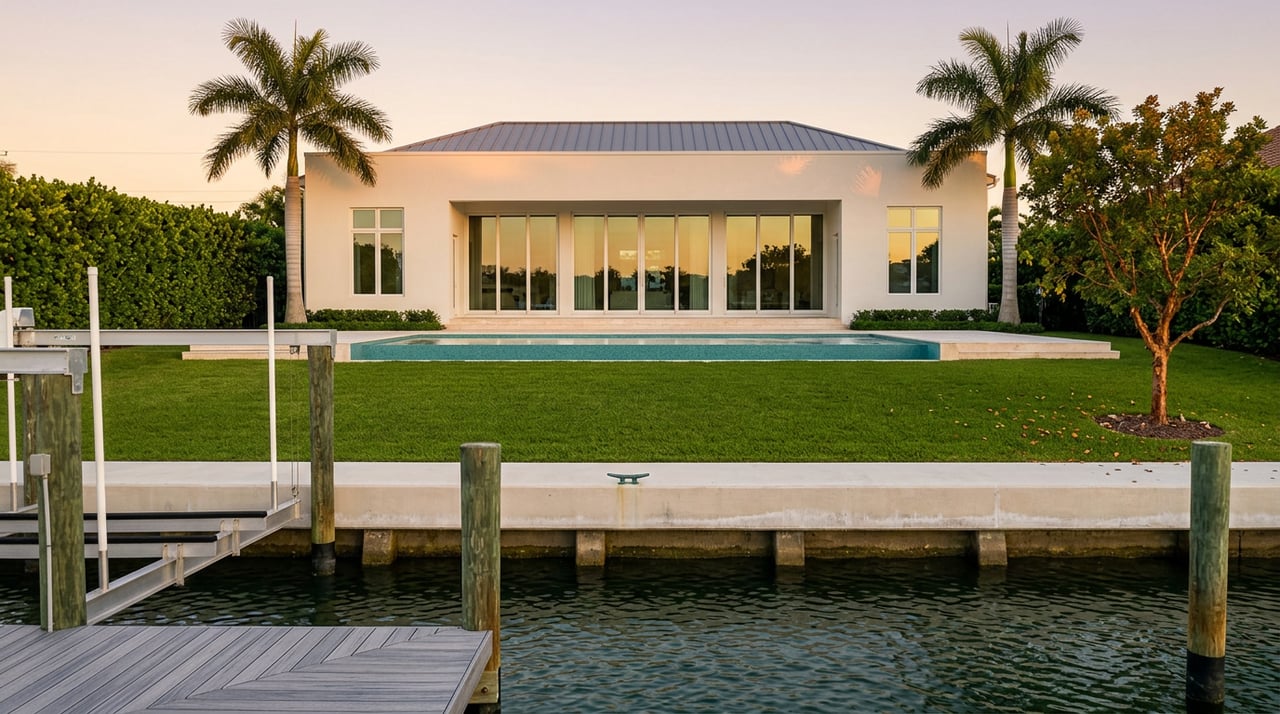
Most end-user purchases on Jupiter Island are driven by lifestyle and legacy. Privacy, ocean or inlet exposure, private docks, and proximity to elite golf and yachting amenities are frequent priorities. Coverage of luxury buyers in the area underscores that these are subjective, site-specific decisions rather than spreadsheet outcomes. For a sense of buyer motivations and choices, see this broader lifestyle context from the Wall Street Journal.
On deal structure, many trophy buyers close in cash or with private financing and often use trusts or LLCs for privacy and estate planning. Public records and local reporting show frequent LLC ownership among high-profile transactions, as noted in this WFLX coverage of a Jupiter Island purchase. That structure can reduce friction at closing, but it also means resale timelines and motivations are not always obvious from the outside.
What this means for you if you are an end user: focus on the non-negotiables that define your long-term enjoyment and family use. Prioritize site, elevation, dock rights, and view corridors over short-term “value” comparisons. When the perfect parcel appears, be prepared to move decisively.
Investor lens: yield vs appreciation
Jupiter Island can work for investors, but the thesis must match the place. There are two common approaches.
- Yield case. Short-term rental income is possible, but demand is more limited than mass-market destinations nearby. Operators face strict town permitting, higher insurance and operating costs, seasonality, and local taxes. The winter season is typically the strongest, so underwriting must model occupancy and nightly rates conservatively.
- Appreciation case. Land scarcity, strict local zoning, and the island’s cachet support long-term upside for best-in-class parcels. That said, liquidity is thin for non-prime assets and macro factors like insurance costs and interest rates can affect timing and realized IRR. Investors should set hold periods and exit plans to align with this reality.
If you plan to rent, the Town of Jupiter Island’s vacation rental ordinance requires an annual permit if a home is rented more than three times per year or otherwise marketed as short term. The application requires a DBPR lodging license, a Martin County business tax receipt, tourist tax registration, a responsible party, floor plans, a site survey, and a commercial liability policy with a $1,000,000 per-occurrence minimum and a $2,000,000 aggregate. Permits expire annually and renew by September 30. Review the town’s Vacation Rentals ordinance (ORD 402) before you model a yield play.
For taxes, Martin County’s Tourist Development Tax is 5 percent on short stays, in addition to state sales tax. Hosts are responsible for proper registration and remittance. You can confirm details on the Martin County Tourist Development Tax page.
Pricing, comps, and liquidity
Because the market is small, single closings can move the median by double digits month to month. To price or value a home, anchor to a 3 to 5-year window and use physical features that drive value on the island. Focus on items like ocean or Intracoastal frontage, elevation and seawall condition, dockage, view quality, and modern mechanical systems.
Liquidity is not uniform. Best-in-class oceanfront homes with deep water, strong elevation, and private docks tend to move faster. Highly customized or second-tier sites can take longer and require concessions. High-end brokers emphasize bespoke, global marketing to reach a narrow buyer pool, as reported in The Real Deal’s coverage. If you are an investor, align your hold horizon with likely days on market for your asset class.
Rules, taxes, and insurance essentials
- Short-term rentals. If your strategy includes short-term renting, you must obtain and maintain the town’s annual STR permit if you cross the use threshold noted above. Confirm all requirements in ORD 402 and plan for compliance costs.
- Local taxes. Martin County imposes a 5 percent Tourist Development Tax on short stays, plus state sales tax. See the Tax Collector’s page for registration and remittance basics.
- Homestead and assessments. If you will claim the property as your primary residence, Florida’s homestead rules and the Save Our Homes cap can limit annual assessment growth. If your use is a second home or rental, underwrite taxes without homestead benefits. For assessed values and TRIM notices, consult the Martin County Property Appraiser.
- Flood and wind insurance. NFIP limits are modest relative to ultra-luxury replacement cost. Typical single-family NFIP caps are $250,000 for the building and $100,000 for contents, which means most owners will need private flood excess and robust wind coverage. Factor hard quotes into your underwriting and resilience planning. The Congressional Research Service outlines NFIP scope and limits here.
- Resilience planning. The Town’s Vulnerability Assessment uses NOAA sea-level projections and identifies exposure and potential policy responses. Review it alongside elevation certificates and any LOMA/LOMR records for your parcel. You can access the town’s Vulnerability Assessment presentation.
- Zoning and building. Jupiter Island’s land development regulations emphasize low density, waterfront setbacks, and conservation. Before you assume expansion or a major remodel, confirm allowable floor area and procedures with the Town’s building and planning resources at the Zoning and Building page.
Due diligence checklist
Use this quick list to organize your review before you go under contract.
- Confirm jurisdiction. Verify that the parcel is inside the Town of Jupiter Island and not in the Palm Beach County portion of the island. Start with the town’s Community Profile and then pull parcel records from the Martin County Property Appraiser.
- Flood and elevation. Obtain the FEMA map panel, the Elevation Certificate, and any LOMA/LOMRs. Review the town’s Flood Information resources and model private flood and excess coverage quotes.
- STR feasibility. If you plan to rent, confirm you can comply with ORD 402 requirements, register for the state lodging license and the county TDT account, and build a conservative seasonality model for ADR and occupancy.
- Title and rights. Order a title search to confirm dock and seawall easements, riparian rights, and any HOA or POA covenants that may limit rentals or alterations.
- Market and exit. Request a 3 to 5-year comp analysis based on shoreline frontage, dockage, elevation, and recent oceanfront or Intracoastal sales. Stress test exit values under higher insurance and mitigation costs and set a realistic hold horizon.
Smart playbooks for both buyer types
Here are simple frameworks you can use to make confident decisions.
End-user playbook
- Define the top three lifestyle must-haves such as frontage type, privacy level, and dock needs.
- Prioritize elevation, seawall condition, and modern systems to protect long-term usability.
- Be offer-ready with clean terms and a short decision window when the right parcel appears.
- Plan a thoughtful renovation timeline that respects town permitting and seasonal contractor demand.
Investor playbook
- Decide if your thesis is yield, appreciation, or a hybrid. Underwrite each path separately.
- For STRs, model peak and shoulder seasons, cleaning and turnover, insurance, and tax compliance costs. Confirm permitting early using ORD 402.
- For appreciation, target best-in-class attributes and accept a multi-year horizon and thin liquidity for non-prime assets.
- Build insurance stress tests using NFIP caps and realistic private flood and wind quotes with mitigation measures.
Ready to move?
Whether you are buying a legacy oceanfront home or underwriting an appreciation play, Jupiter Island rewards clarity and disciplined preparation. Focus on site quality, resilience, and clean title. Tie your offer strategy to multi-year comps and real operating costs, not to a single-month headline.
If you want a private, finance-first conversation about your Jupiter Island strategy, schedule a confidential consultation with Illustrated Properties Palm Beach. We combine Wall Street-grade analysis with boutique representation to help you buy or sell with confidence.
FAQs
What makes Jupiter Island unique for buyers?
- It is a low-density, single-family market with about 705 taxable parcels and a small population, which supports privacy, scarcity, and premium pricing over time.
How volatile are prices on Jupiter Island?
- With very few sales each month, a single trophy closing can move the median sharply. Use 3 to 5-year comps and physical attributes, not one-month medians.
Are short-term rentals allowed on Jupiter Island?
- Yes, but you must comply with the town’s STR ordinance, including annual permitting, insurance, and registration. Review ORD 402.
What local taxes apply to short stays?
- Martin County charges a 5 percent Tourist Development Tax in addition to state sales tax. See details on the County TDT page.
What should I know about flood insurance here?
- NFIP limits are modest relative to luxury homes, so most owners need private flood excess and strong wind coverage. Start with the CRS brief on NFIP limits and obtain carrier quotes.
How do I check zoning or expansion potential?
- Confirm allowable floor area, waterfront setbacks, and procedures with the Town via the Zoning and Building page before planning a remodel or rebuild.
Why do many buyers use LLCs on the island?
- Privacy and estate planning are common reasons, and many high-end purchases close in cash or with private financing, as reflected in local reporting like WFLX’s coverage.