
Boca Raton Jumbo Loans for Luxury and Waterfront Buyers
Shopping in Boca Raton’s luxury market and seeing prices above typical loan caps? You are not alone. Many Boca buyers discover they need a jumbo mortgage to finance waterfront homes, new construction, or high-end condos. In this guide, you will learn what makes a loan “jumbo,” how underwriting works, the local issues lenders review in Palm Beach County, and how to streamline your approval from pre-approval to closing. Let’s dive in.
A jumbo mortgage is any home loan that exceeds the conforming loan limit set each year by the Federal Housing Finance Agency. Conforming loans can be purchased by Fannie Mae or Freddie Mac. Jumbo loans cannot, so lenders set their own rules and pricing. Whether your Boca purchase is jumbo depends on the current FHFA limit at the time you lock your loan and your contract price.
Boca Raton includes many luxury and waterfront properties where sale prices surpass conforming thresholds. That makes jumbo financing common for primary residences, second homes, and certain investment purchases. Since jumbos are held on lenders’ balance sheets or sold to private investors, qualification standards can vary more than with conforming loans.
In Boca Raton, many single-family and waterfront homes often price above conforming thresholds. High-end condos and new construction can also exceed conforming caps. Because limits and prices move, check current values with your mortgage professional and your agent before you write an offer.
Jumbo loans usually require stronger credit profiles. Many lenders expect middle to high credit scores, often in the 700 to 760 range depending on the loan size and your overall file. Clean credit history and clear explanations for any past issues help keep underwriting timelines on track.
Jumbo programs often call for larger down payments than conforming loans. Typical minimums are 10 to 20 percent for strong borrowers. More conservative programs or higher loan amounts can require 20 to 30 percent or more. Higher loan-to-value options may be available but can come with higher rates or added conditions like extra reserves.
Lenders commonly prefer a debt-to-income ratio at or below the mid 40s. Strong compensating factors can allow exceptions, but jumbo files are reviewed closely. Expect stricter reserve requirements. Six to twelve months of total housing payments in liquid reserves is common, and luxury or investor properties can require more.
Full documentation is the norm: recent pay stubs, W-2s, tax returns, and bank or investment statements. Self-employed borrowers may also need business returns and year-to-date financials. Asset-based or bank statement programs exist for certain scenarios, but they often carry higher rates and detailed verification.
Historically, jumbo rates were higher than conforming rates. In some market cycles, the spread narrows or even flips. Pricing varies by lender, loan size, occupancy type, reserves, and credit. It pays to compare several quotes.
Private mortgage insurance is less common on jumbo loans. Lenders typically manage risk through larger down payments, portfolio pricing, or proprietary structures instead of standard PMI.
Jumbo loans are available for primary residences, second homes, and investment properties. Terms are usually most favorable for primary homes. VA and FHA programs have their own limits and rules, so speak with your lender about eligibility if you are considering those options.
Condo financing in Florida draws careful scrutiny. Expect requests for association financials, reserve information, meeting minutes, insurance policies, and details on any special assessments or deferred maintenance. Occupancy and investor ratios can also matter. Build time into your contract calendar for condo review.
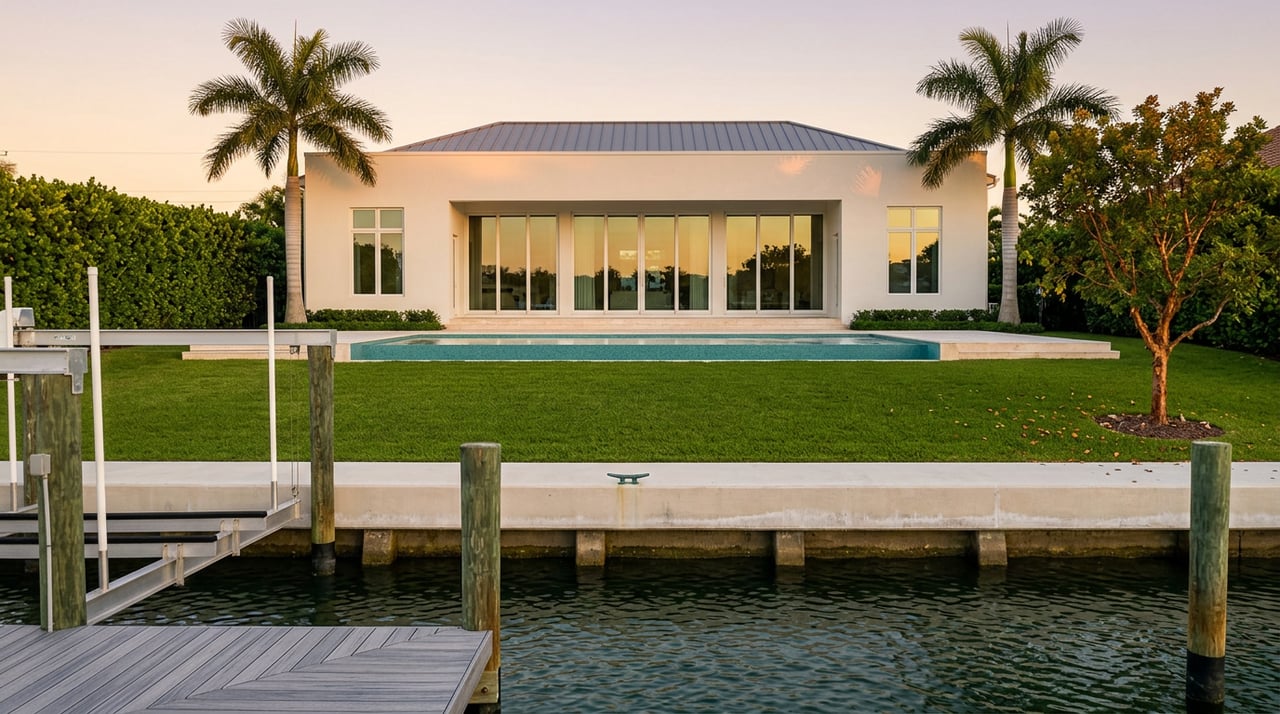
Waterfront assets can add complexity. Docks, seawalls, and unique lot attributes affect appraisals and insurability. Lenders may require specialty appraisers or even a second appraisal if comparable sales are limited. Clear title for water-related structures and permits is important.
Lenders require a flood zone determination and adequate homeowners and windstorm coverage. In coastal Florida, premium levels and policy availability can influence your monthly payment and debt-to-income ratio. If the property is in a special flood hazard area, flood insurance is mandatory. Confirm insurability and realistic premiums early in your process.
Florida’s homestead exemption can reduce taxable assessed value for owner-occupied primary residences, which may improve long-term affordability. Rules and filing are administered locally. If you plan to homestead, calendar your filing deadline after closing.
Florida closings include documentary stamp taxes and recording fees that scale with loan size. Jumbo transactions can therefore have higher closing costs. Coordinate early with a local title company or closing attorney for an itemized estimate.
For luxury properties, sellers expect proof of funds or a full pre-approval, not just a quick pre-qualification. A complete underwrite with income, assets, and credit verified allows you to move quickly and negotiate with confidence.
A jumbo mortgage in Boca Raton is common when you are targeting luxury or waterfront properties. Success comes down to preparation. Get fully pre-approved, confirm insurance early, allow time for condo and appraisal reviews, and work with a lender that understands Florida’s coastal nuances. With a clear plan and the right team, you can secure the financing you need and close with confidence.
Ready to explore Boca Raton’s luxury market or price your property with a finance-first strategy? Schedule a private consultation with Illustrated Properties Palm Beach to plan your next move.
Stay up to date on the latest real estate trends.



Ready to transform your real estate experience? Contact Thomas now to discover how he can guide you with personalized service, exceptional results, and unmatched expertise. Let's achieve your goals together!