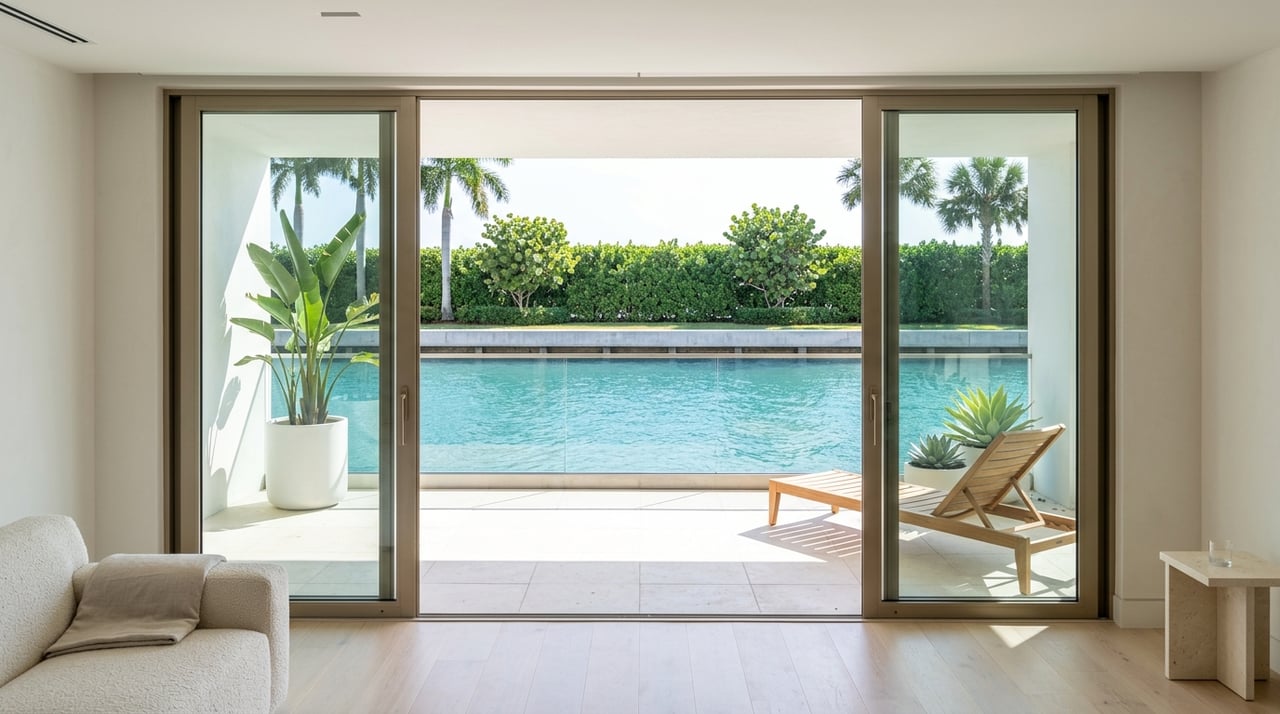
West Palm Beach vs Palm Beach Luxury: Which Market Fits?
Wondering whether West Palm Beach or Palm Beach is the better luxury buy? It is a smart question, because these two markets sit side by side but offer very different ownership experiences, price points, and day-to-day lifestyles. If you are weighing a waterfront condo, a seasonal island residence, or a long-term luxury asset, this guide will help you compare the two with a clear, data-driven lens. Let’s dive in.
West Palm Beach and Palm Beach are close geographically, but they operate as distinct luxury markets. Palm Beach refers to the Town of Palm Beach on the barrier island, while West Palm Beach is the larger mainland city with a broader residential and mixed-use base.
The scale difference is significant. The 2025 Census estimate shows about 127,189 residents in West Palm Beach compared with 9,423 in Palm Beach. Owner-occupied housing is also much higher in Palm Beach at 83.7%, versus 50.5% in West Palm Beach, which helps explain why Palm Beach often feels more tightly held and ownership-driven.
Whole-market home values also point to different market roles. The median value of owner-occupied housing is $414,200 in West Palm Beach versus more than $2 million in Palm Beach. That does not define the luxury segment by itself, but it does frame Palm Beach as the more concentrated prestige market and West Palm Beach as the more varied luxury city.
If you are buying at the top of the market, the pricing gap is not subtle. In the MIAMI Realtors Q1 2026 city-level luxury report, the single-family luxury threshold was $4.2 million in West Palm Beach and $34.9 million in Palm Beach.
The ultra-luxury thresholds were also far apart. West Palm Beach registered $10.0 million for ultra-luxury single-family homes, while Palm Beach reached $36.9 million. In simple terms, Palm Beach sits in a very different pricing band at the highest level.
That matters for both lifestyle buyers and asset-minded buyers. If you want a globally recognized trophy address and you are comfortable operating in that pricing tier, Palm Beach is the clearer fit. If you want luxury exposure with more flexibility across price points and property types, West Palm Beach usually offers a wider runway.
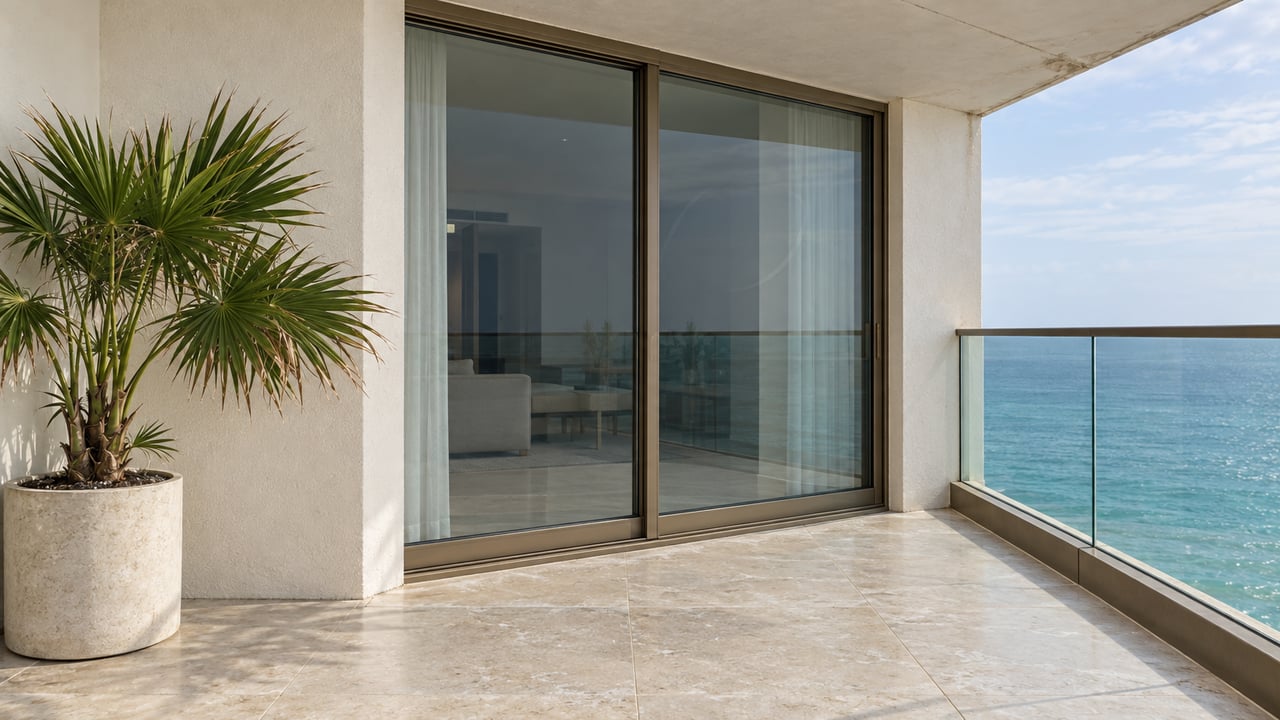
West Palm Beach stands out for product mix. According to the city, the Flagler Waterfront district along Flagler Drive includes waterfront green space, high-rise condominiums, and office towers, while the downtown master plan is designed to support a 24-hour live-work-play environment.
That urban structure gives you more ways to buy into the market. You will find waterfront condo product, downtown-adjacent residences, and lower-scale residential areas west of Rosemary that the city specifically preserves as an alternative housing type. West Palm Beach also has 18 locally designated historic districts and 46 individually designated historic sites, which adds character and architectural range.
For buyers, this means more choice in how you live. You may prefer a lock-and-leave condo on the waterfront, a residence near cultural venues, or a home in a neighborhood with a different scale and rhythm. West Palm Beach is generally the more versatile market for those decisions.
Palm Beach has a tighter housing framework and a more regulated feel. The town’s comprehensive plan excerpt says about 25.6% of units are single-unit detached homes and 61.4% are in buildings with 20 or more units.
That mix may surprise some buyers, but the key point is not just the housing type. It is the planning posture. Palm Beach’s planning department states that its role is to preserve the town’s beauty, quality of life, and small-town character through the comprehensive plan and zoning code.
For luxury buyers, that often translates into a more controlled island environment. The market feels curated rather than expansive, and that tends to appeal to buyers who value prestige, privacy, and a more defined ownership setting.
If rental flexibility is part of your decision, Palm Beach deserves a close read. The town prohibits short-term rentals, defines residential use as generally requiring at least three months of occupancy, and states that single-family homes may not be rented more than three times in a calendar year.
These rules shape how a property can be used. Palm Beach is generally a stronger fit for long-term ownership or seasonal use than for short-stay income plans. If your strategy depends on more frequent turnover or shorter occupancy windows, these town rules could be a major factor.
West Palm Beach may appeal more to buyers who want broader flexibility, especially in a market with more varied housing stock and a larger mixed-use core. The right fit depends on whether you are buying primarily for lifestyle, long-term hold, or a more analytical portfolio objective.
Lifestyle is where the contrast becomes easy to picture. West Palm Beach’s waterfront is oriented around public access and urban activity. The city says its downtown waterfront provides Intracoastal Waterway access through the city docks at Currie Park, and its waterfront planning emphasizes placemaking and activation between Flagler Memorial Bridge and Royal Park Bridge.
The city’s cultural and lifestyle anchors are spread across a fuller downtown ecosystem. Key destinations include the Kravis Center, Norton Museum of Art, The Square, Clematis Street, Antique Row, and Northwood Village. If you want luxury living tied to a year-round urban routine, West Palm Beach has a strong case.
Palm Beach has a more island-specific rhythm. The town says it has 12 miles of beachfront, two public beaches, and the nearly six-mile Lake Trail. It also points residents to Worth Avenue, Royal Poinciana Way, and The Royal Poinciana Plaza for shopping and dining.
The result is a distinct ownership experience. Palm Beach feels more resort-like, more contained, and more heritage-driven. Its cultural core includes institutions such as the Society of the Four Arts and the Flagler Museum, which contribute to a highly polished island setting.
Access may also affect your decision more than you expect. Palm Beach notes that there are three bridges to West Palm Beach, and bridge openings can affect traffic timing. The town also highlights access to Palm Beach International Airport and regional rail.
For some buyers, the bridge factor is a small trade-off for island living. For others, especially those who expect frequent movement between home, office, airport, dining, and entertainment, West Palm Beach’s mainland position may feel easier on a daily basis.
Neither is inherently better. It comes down to what you value more: an island environment with a defined rhythm or a mainland luxury market with fewer movement constraints.
West Palm Beach generally reads as the more year-round market. Its larger population, mixed-use downtown structure, and wider cultural infrastructure create a fuller everyday environment across seasons.
Palm Beach, by contrast, has a smaller population, a higher owner-occupied share, smaller households, and an older resident profile. Census figures show 63.5% of Palm Beach residents are age 65 and older, versus 21.5% in West Palm Beach, and average household size is 1.70 in Palm Beach compared with 2.25 in West Palm Beach.
These figures do not define every buyer, but they do help explain market character. West Palm Beach often feels more mixed and active year-round, while Palm Beach often feels more ownership-dominant and seasonal in cadence.
West Palm Beach is often the better fit if you want more condo choice, more urban flexibility, and more day-to-day variety. The city’s planning documents emphasize walkability, public open space, and a live-work-play downtown core, which aligns well with full-time residents, downsizers, and buyers who want luxury tied to an active city setting.
It can also make sense if you value optionality. A broader housing mix, multiple lifestyle nodes, and a wider range of luxury price points can create more paths for both personal use and long-term planning.
Palm Beach is often the better fit if you want prestige, privacy, and a more controlled island environment. Its ownership profile is tighter, its rules are stricter, and its top-end luxury thresholds sit far above West Palm Beach.
That combination tends to align with trophy-home buyers and long-stay seasonal owners. If you want one of the most recognized addresses in the country and you are comfortable with the island’s rules and rhythm, Palm Beach is the clearer match.
If you are comparing the two, start with these questions:
Your answer usually becomes clear once you separate lifestyle goals from property strategy. Palm Beach leads on prestige, privacy, and top-end exclusivity. West Palm Beach leads on flexibility, variety, and urban waterfront living.
In a market this nuanced, the best buying decision usually comes from matching the asset to your real use case, not just the headline address. If you want help comparing waterfront condos, island residences, or long-term luxury acquisition options across both markets, Illustrated Properties Palm Beach can help you evaluate the numbers, the lifestyle fit, and the ownership implications with a private, data-driven approach.
Stay up to date on the latest real estate trends.
Ready to transform your real estate experience? Contact Thomas now to discover how he can guide you with personalized service, exceptional results, and unmatched expertise. Let's achieve your goals together!