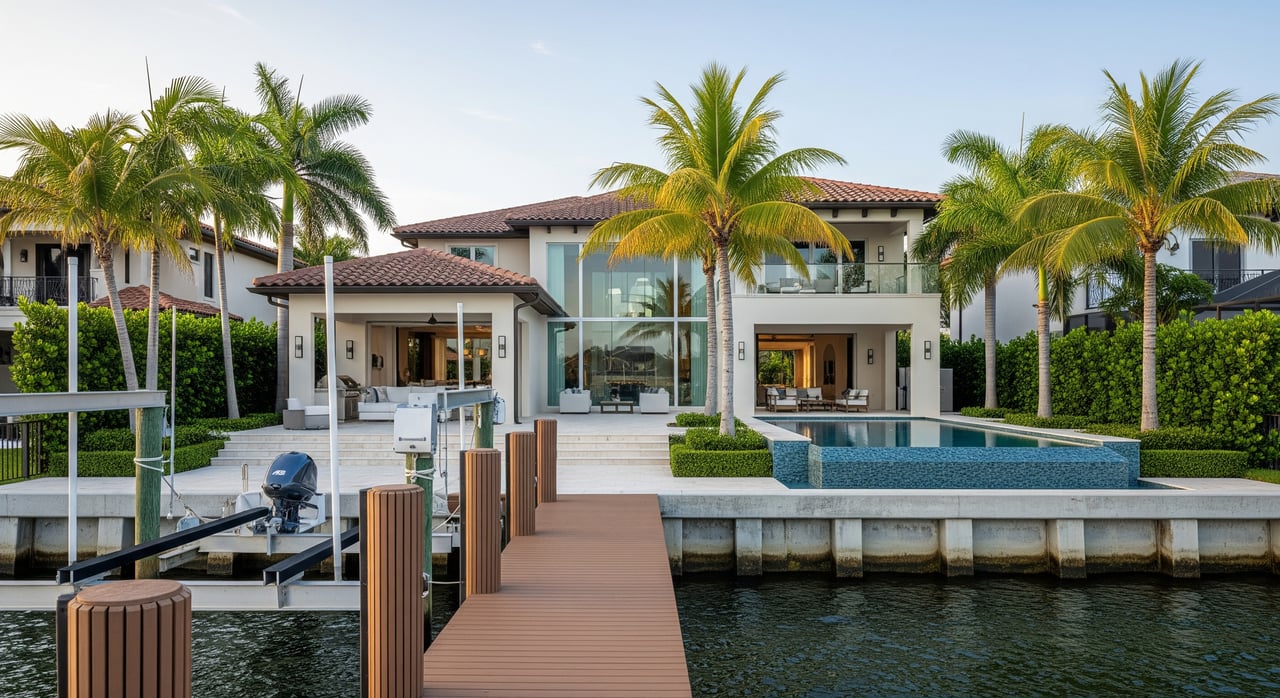
Waterfront Appraisal in Boca Raton: Understanding Premiums
How much of your Boca Raton home’s value sits in the water behind it? If you are near the ocean, the Intracoastal Waterway, or a canal, the answer is not a simple percentage. Appraisers study specific traits like boat access, view, seawall condition, and flood risk to build a market-supported premium. In this guide, you will learn how appraisers in Boca Raton approach waterfront value and what you can do to support the best outcome. Let’s dive in.
Appraisers in Boca Raton rely on the sales comparison approach for most residential waterfront homes. They analyze recent nearby sales and adjust for differences. That includes adjustments for your type of water frontage, view, and boating functionality.
The cost approach is used less often for typical single-family waterfront homes. It can serve as a check for new construction. The income approach is most relevant for rental or investment properties. Lenders may also ask for extra documentation on waterfront homes due to flood risk and limited comparable sales.
Appraisals must follow USPAP standards and lender guidelines. That means your premium needs market support. Rule-of-thumb percentages are not acceptable without data.
Oceanfront homes often command the highest premiums. Direct beach access and open water views are the key reasons. Orientation and privacy also matter. Appraisers look for oceanfront comparables first, then support differences with clear adjustments.
Intracoastal properties carry strong premiums, especially with deep-water, direct ocean access. Bridge clearance, distance to inlets, and boating traffic influence value. A private, permitted dock in good condition is a plus. Appraisers weigh these traits when comparing ICW homes to each other.
Canal and lakefront value varies more than ocean or ICW. Depth, width, and connectivity to the ICW or ocean matter. Longer travel time to the ocean or fixed bridges with limited clearance can reduce utility for larger boats. Appraisers confirm dock ownership and the permitted use to support any premium.
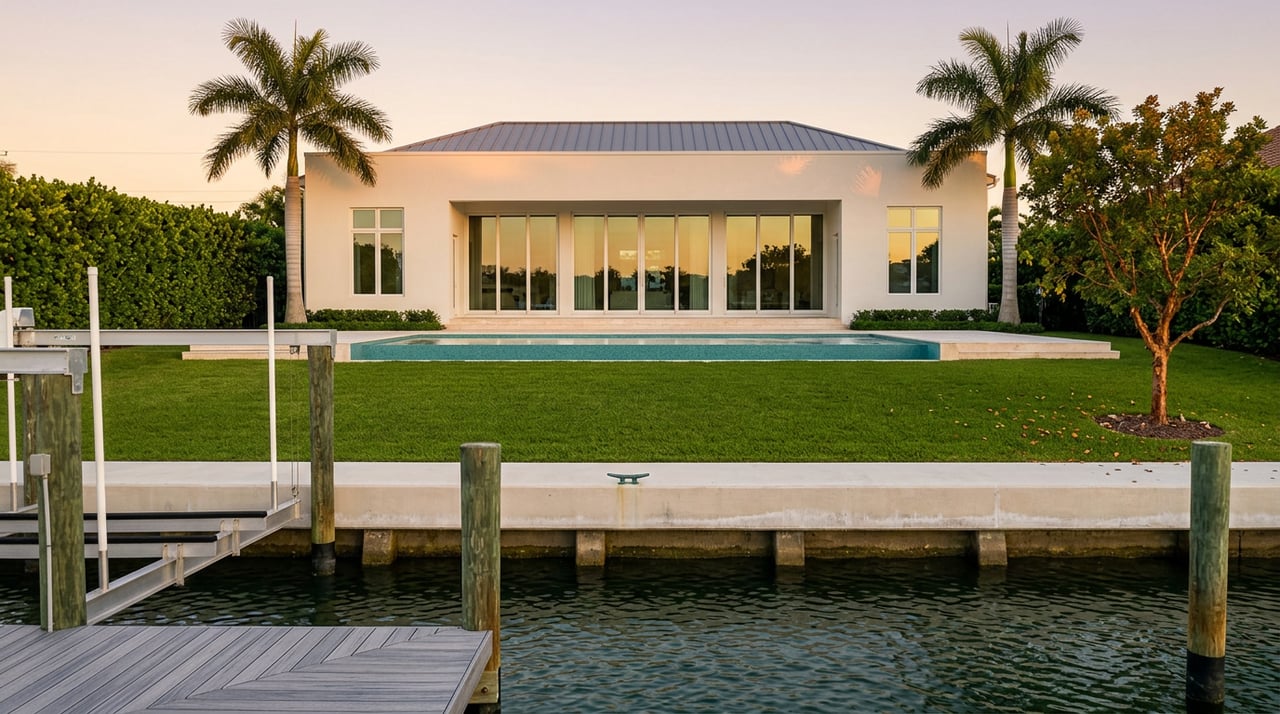
Boating characteristics can make or break a waterfront premium. Deep-water access, minimal fixed-bridge limits, and direct routes to the ocean typically increase value. The presence, condition, and permitted status of docks, boat lifts, and finger piers are central to marketability.
You should provide records that show dock permits, recent upgrades, and capacity. Appraisers confirm these details because they affect both utility and insurance.
Open water views usually support higher premiums than narrow canal views. Appraisers also consider orientation. Sunrise and sunset exposures can influence buyer preferences in South Florida. Privacy screens, berms, and setbacks help reduce sightlines into your yard, which can add appeal.
Noise and traffic also matter. Heavy boating traffic or public access points nearby can affect the level of adjustment.
In Boca Raton, seawall condition is a major factor. A sound, permitted seawall is a positive. A failing or unpermitted seawall invites repair costs and risk, which can reduce value. Appraisers review permits, condition reports, and warranty documentation when available.
Elevation and flood zone designation affect insurance and buyer perception. Elevation certificates, FEMA flood zones, and local coastal construction rules inform ownership costs. Appraisers consider these elements when market data shows buyers are adjusting prices for expected insurance costs or flood risk.
Environmental factors are part of buyer due diligence. Sea level rise, storm surge, king tides, and water quality concerns can influence demand. Appraisers reflect the current market response to these issues, not projections without support.
Appraisers prefer market-derived adjustments. They look for paired sales where two similar homes differ only by a waterfront feature, like dock access or an open view. When perfect pairs are not available, they explain their method and use the best available data.
Adjustments commonly cover:
Waterfront markets often have limited direct comps, especially for unique parcels and estate lots. Appraisers may use properties with size or feature differences and then adjust. They document their reasoning to meet USPAP standards.
When data are thin, appraisers may supplement with regression, market studies, or credible local insights. The key is to explain and support each adjustment with market evidence.
Waterfront demand moves with interest rates, insurance costs, and weather events. If the best comp sold six months ago and prices have shifted, the appraiser may apply a time adjustment. That keeps the analysis consistent with current market conditions.
Your appraised market value and your county assessed value serve different purposes. Market value reflects what an informed buyer and seller would agree to today. Assessed value is used for property taxes and follows different rules. Do not rely on assessed value to set a price or estimate a waterfront premium.
Providing clear records helps the appraiser support your premium. Gather:
You may want a separate appraisal before you list if you have a high-end estate, a unique waterfront configuration, or complex dock and riparian rights. A pre-listing appraisal can help you price with confidence and reduce disputes later. It can also flag permitting or condition issues before a buyer’s lender gets involved.
Your waterfront premium in Boca Raton is not a single number. It is a set of market-supported adjustments across water type, boat access, view, structures, and risk. If you document these traits and present clear evidence, you help your appraiser support the premium your home deserves.
If you want a finance-first read on your specific waterfront, start a conversation with a local advisor who blends data and discretion. Connect with Illustrated Properties Palm Beach to schedule a private consultation.
Stay up to date on the latest real estate trends.

Ready to transform your real estate experience? Contact Thomas now to discover how he can guide you with personalized service, exceptional results, and unmatched expertise. Let's achieve your goals together!