Thinking about a brand-new home inside a private club community in Palm Beach Gardens? You are not alone. Many buyers want modern design, resort-level amenities, and a clear understanding of club costs before they commit. In this guide, you will learn how memberships work, what new construction looks like today, what to budget, and how to run smart due diligence so your new-build fits your lifestyle and balance sheet. Let’s dive in.
Why Palm Beach Gardens for new builds
Palm Beach Gardens has one of the strongest clusters of private clubs in South Florida, alongside new master-planned neighborhoods that cater to modern tastes. You will find established, gated golf communities like BallenIsles, Mirasol, Old Palm, Old Marsh, Frenchman’s Reserve, and parts of PGA National. You will also see next-generation product in Avenir, including the private Panther National enclave, aimed at buyers who want contemporary architecture and new club experiences. The result is a rare mix of legacy clubs with rich amenities and new-build options designed around today’s lifestyle.
How club membership works
Not all memberships are the same. Some are member-owned equity clubs, and others are operator-owned non-equity clubs. In an equity club, members typically pay a refundable or partially refundable equity contribution and vote on governance. In a non-equity model, you usually pay a nonrefundable initiation and the operator sets policy. For a clear primer on how these structures differ, review this overview of club operations.
Membership may also be mandatory or optional, and in some communities it is tied to the property title. For example, at The Country Club at Mirasol, membership categories are connected to home ownership, so you should confirm the membership level required for a specific address by checking the Mirasol membership information. Always ask for the club’s membership plan and current dues schedule before you sign a contract.
Key communities to know
- BallenIsles Country Club. A long-standing, high-amenity, member-focused club known for golf, racquets, and a full social calendar. Explore the breadth of amenities on the BallenIsles amenities page.
- The Country Club at Mirasol. A large, gated environment with golf, racquets, fitness, spa, resort pools, dining, and structured membership tied to title. Review membership categories on the Mirasol site.
- Frenchman’s Reserve. A mandatory equity model. The club’s public FAQ lists a full golf equity contribution of 275,000 dollars and social or sport equity of 140,000 dollars. See details in the Frenchman’s Reserve membership FAQs.
- Old Marsh and Old Palm. Ultra-private golf enclaves with estate-scale homes and a traditional South Florida luxury aesthetic. For Old Marsh context and amenities, see Country Club Magazine’s profile.
- Avenir and Panther National. Master-planned new construction with a focus on contemporary architecture, energy-forward design, and next-gen club concepts. Learn about the Avenir and Panther National golf environment on the Avenir golf page.
What new construction looks like now
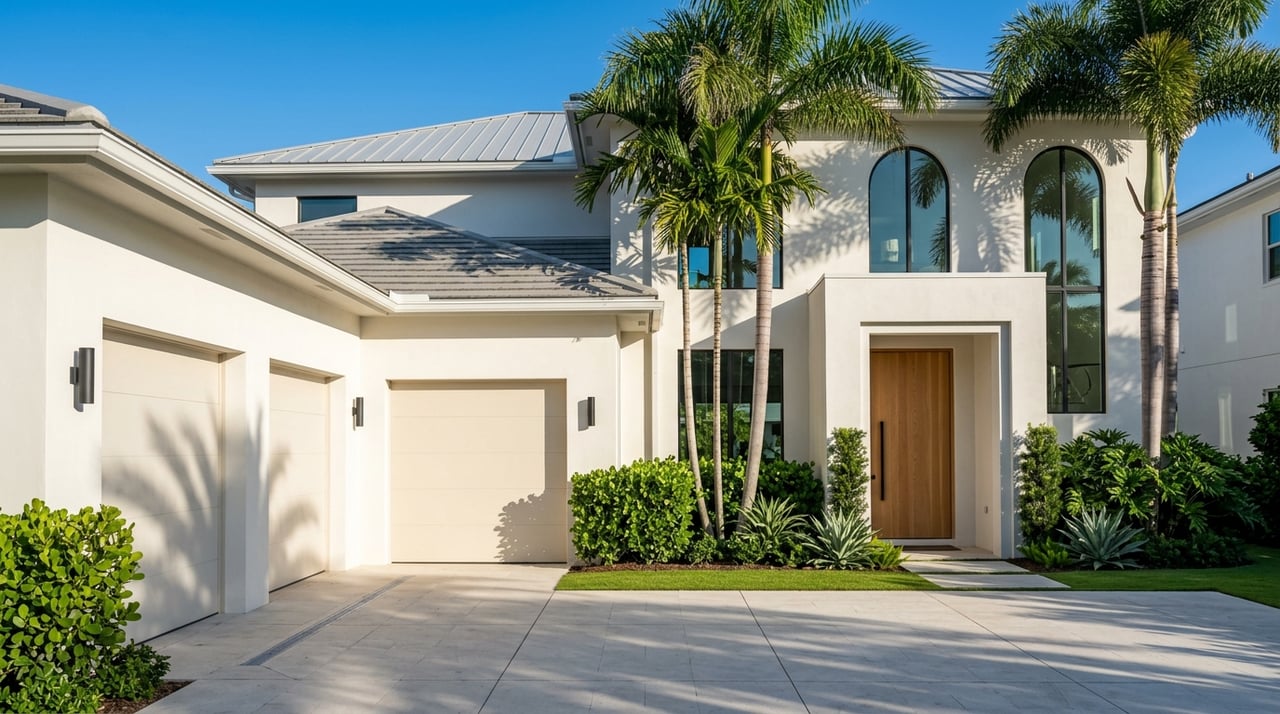
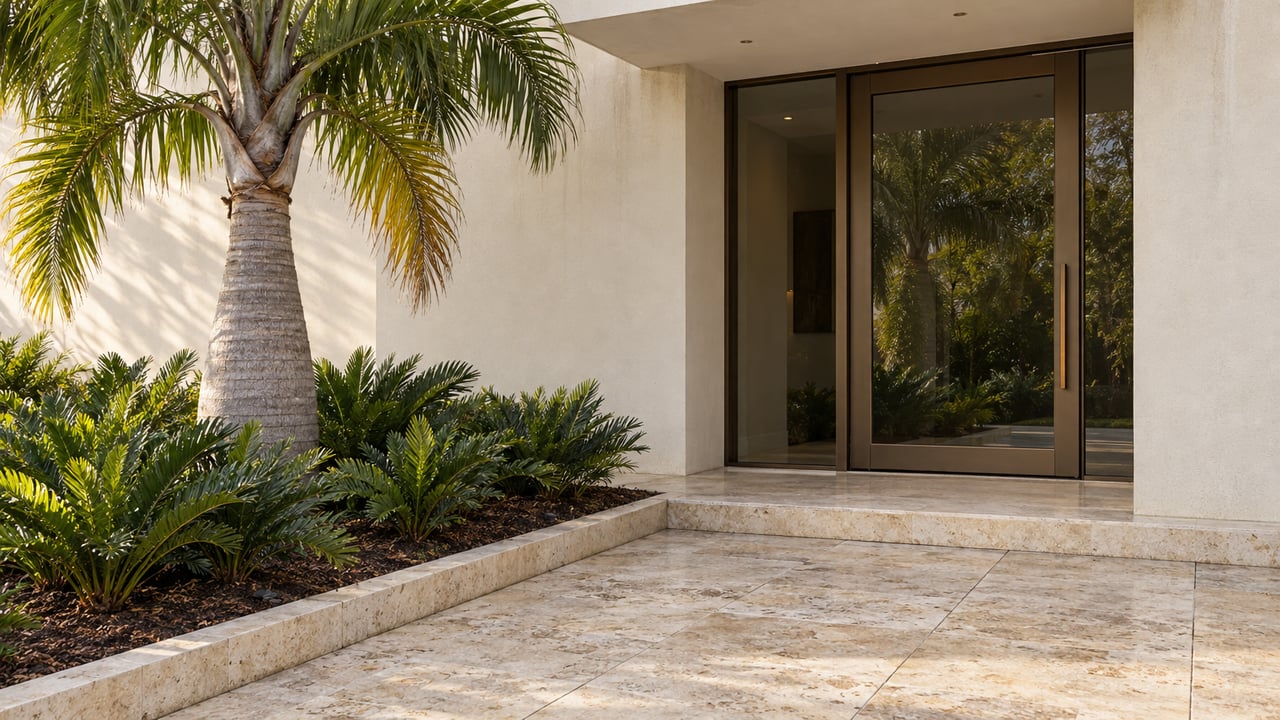
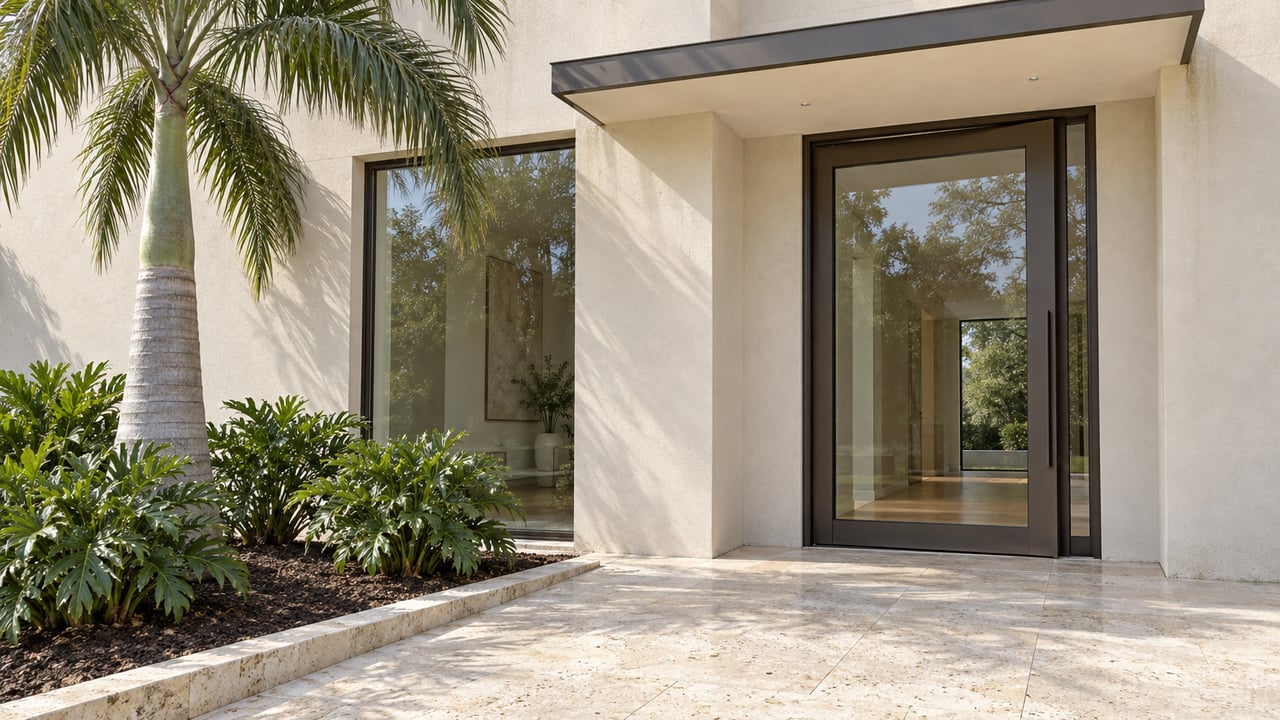
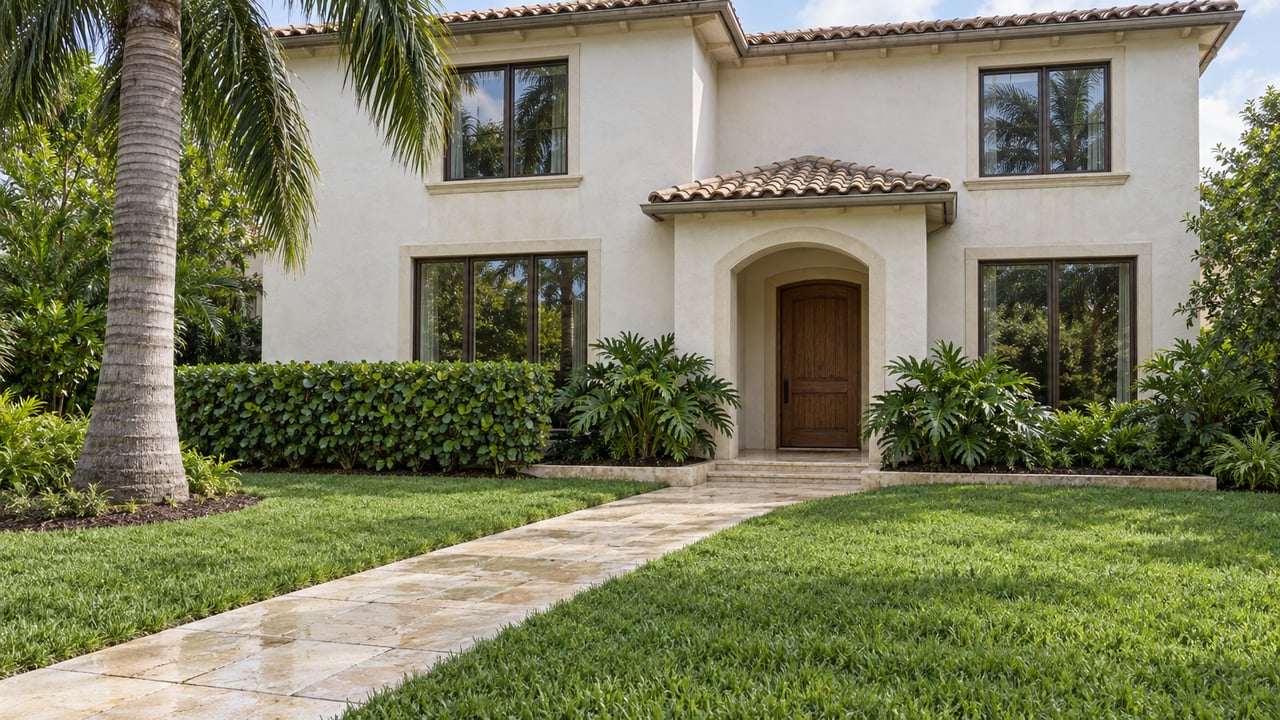
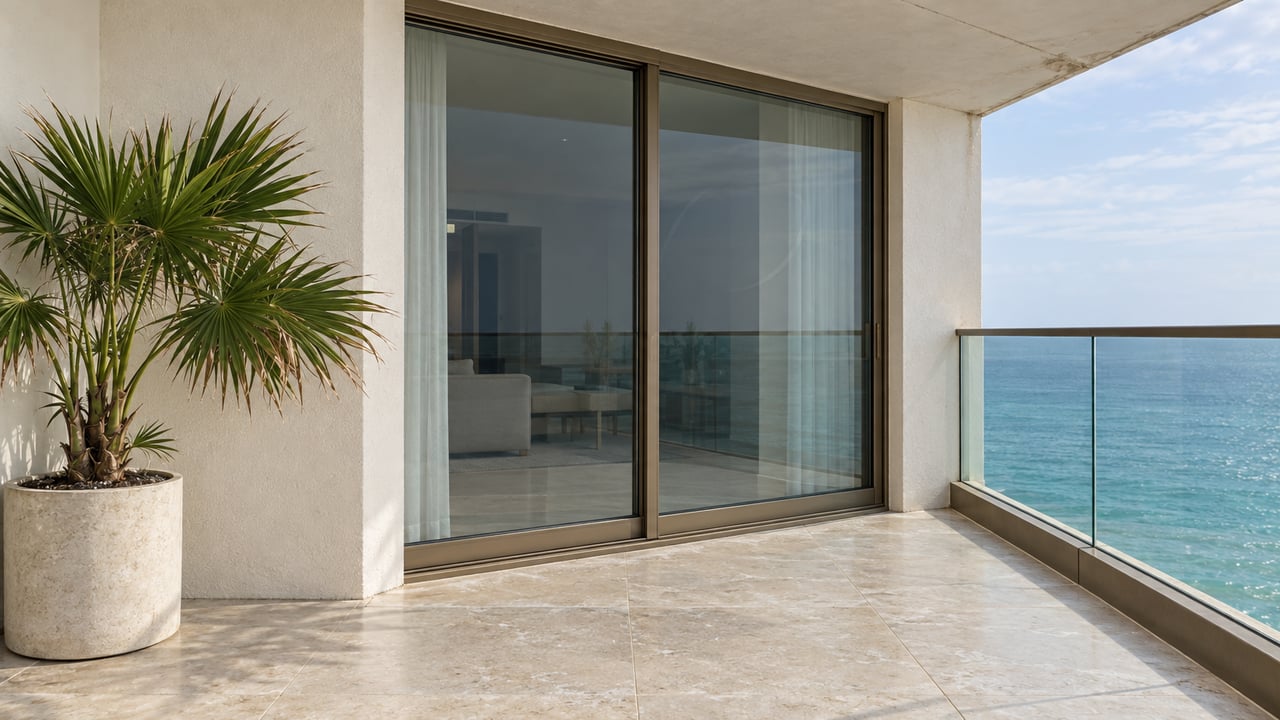
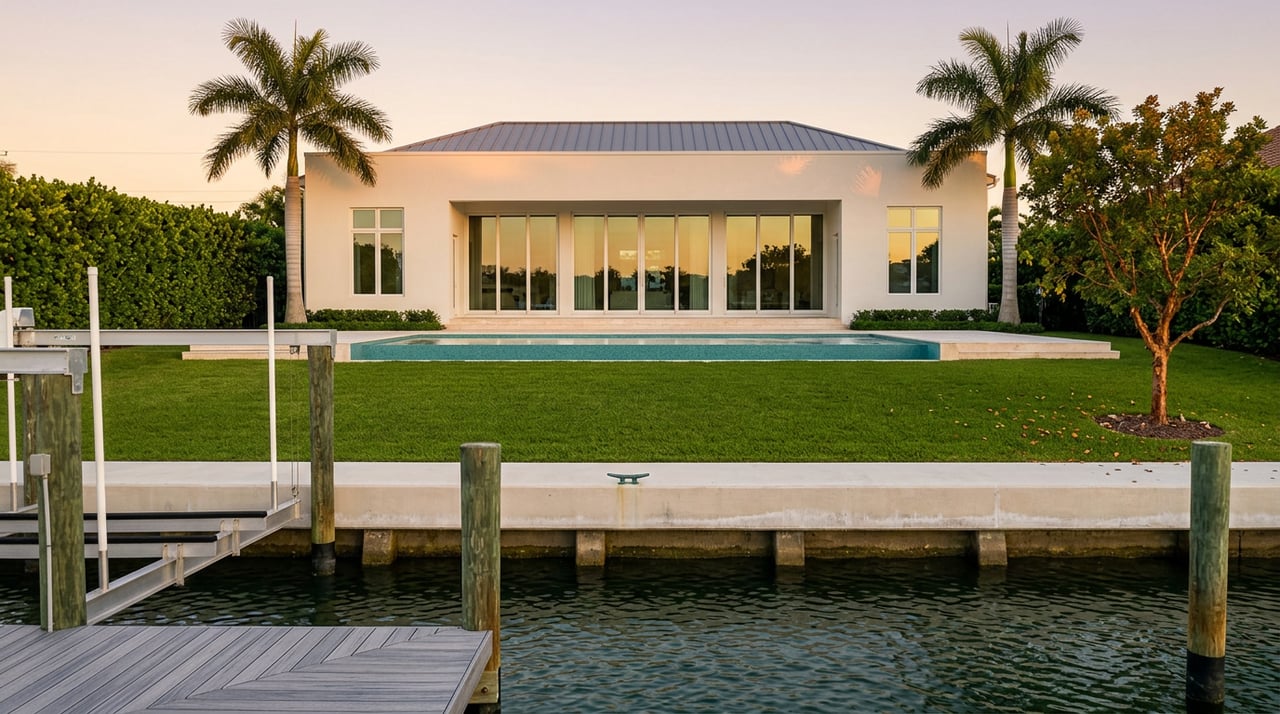
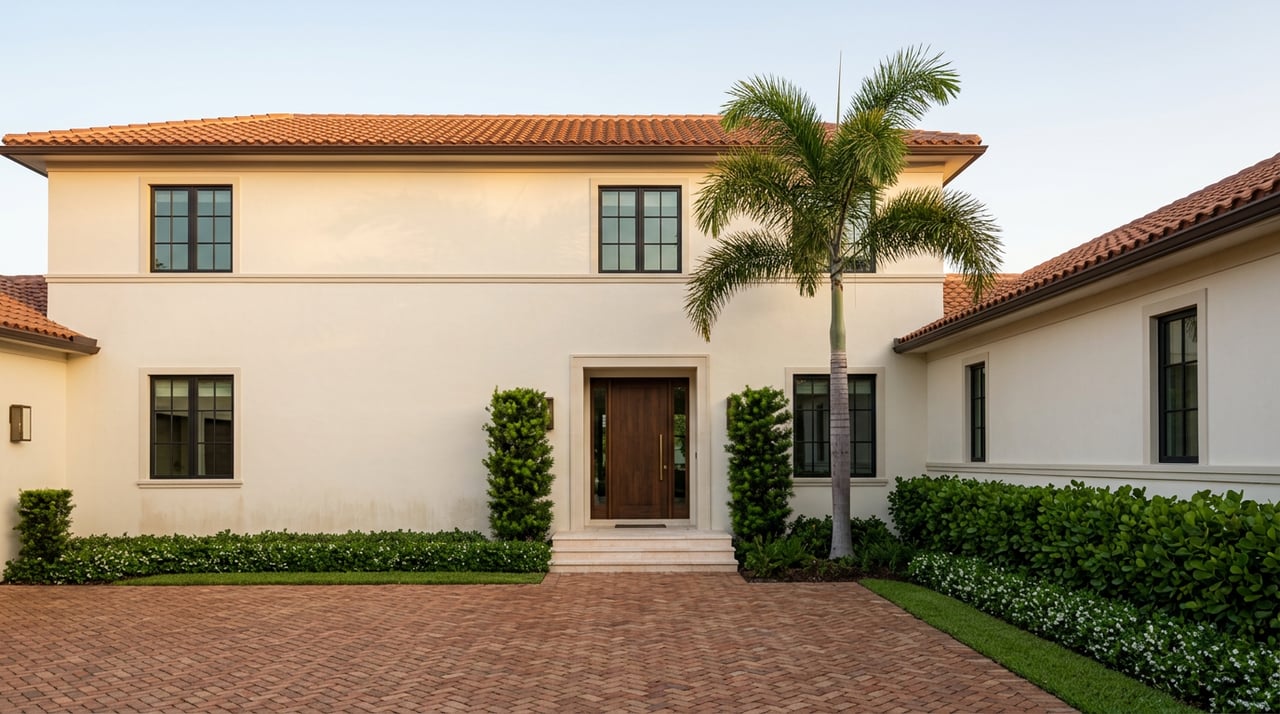
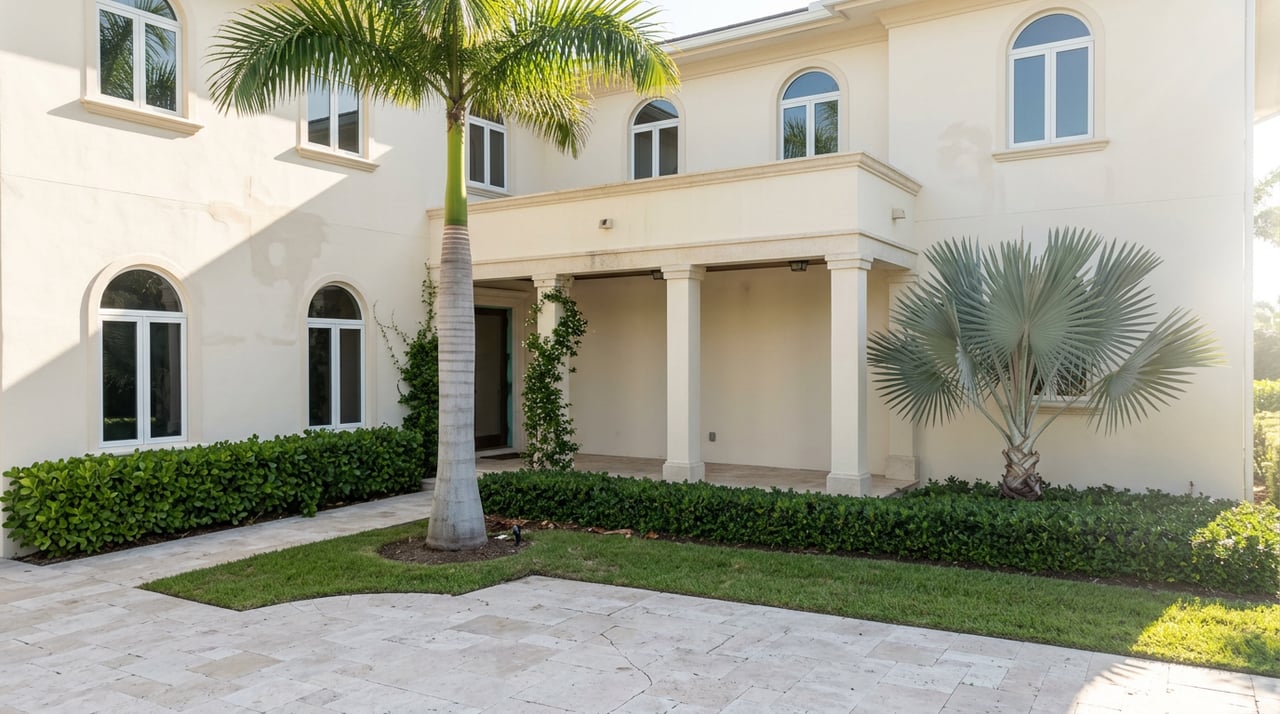
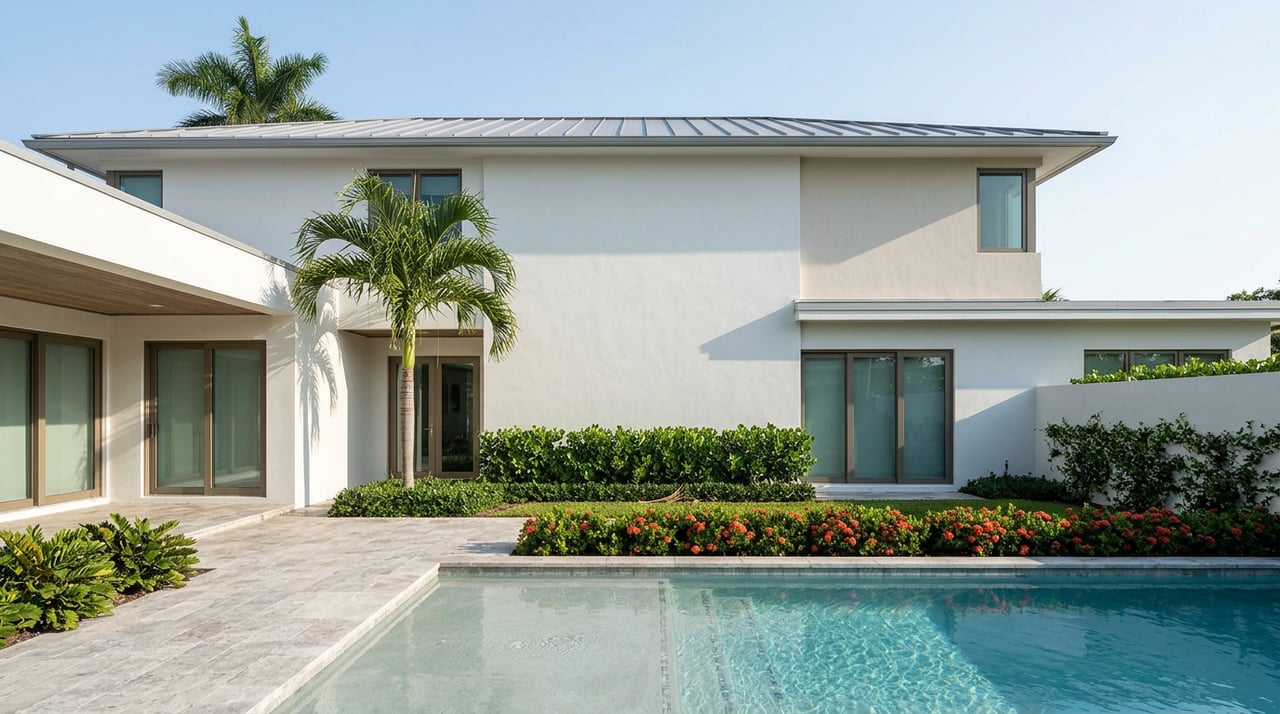
You will see two main design directions: traditional South Florida luxury and clean modern architecture. Many legacy club estates lean Mediterranean, neo-classical, or tropical with grand facades, tall windows, and lush landscaping. Newer enclaves like Panther National emphasize minimalist lines, large glazing, and integrated outdoor living.
Functionally, new builds aim for indoor-outdoor flow, energy efficiency, and smart-home systems. Expect modern kitchens, spa-level primary suites, club-view lanais, and three- to five-car garages. If you plan to entertain, look for covered summer kitchens and flexible great-room layouts. If you golf or play racquet sports, prioritize homes convenient to the club core.
Amenities you are paying for
Palm Beach Gardens club communities usually offer championship golf, advanced practice facilities, racquets complexes for tennis and pickleball, and robust fitness and spa amenities. Many also provide resort pools, family sports areas, multiple dining venues, social programming, concierge services, and gated security. For a representative amenities set, see BallenIsles and Mirasol’s membership overview.
Cost items to budget
Every club structures fees differently. Expect a combination of the following at closing or shortly after:
- Equity or capital contribution. In equity clubs, this can be refundable, partially refundable, or nonrefundable. Frenchman’s Reserve publicly lists a full golf equity of 275,000 dollars and social or sport equity of 140,000 dollars. Confirm refund mechanics in writing via the club’s FAQ.
- Initiation fee. Many clubs charge a nonrefundable initiation regardless of equity status. Publicly distributed schedules, like this sample fee schedule, show how initiation, dues, and equity can combine.
- Ongoing dues and capital charges. Monthly or annual operating dues, plus a capital component for long-term improvements. Some clubs also levy special assessments for major projects.
- HOA/POA fees and transfer fees. Communities may require one-time capital contributions or transfer fees at closing. Florida law requires these to be disclosed on estoppel certificates.
A practical approach is to build a 5-year total cost of ownership model. Include mortgage, taxes, insurance, HOA/POA fees, club dues, food and beverage minimums, golf cart or caddie fees, locker storage, and a stress test for a potential special assessment. Use the current dues schedule and assume a 3 to 6 percent annual increase unless the club shows otherwise.
Due diligence that protects you
Request the right documents early and read them closely. Here is a focused checklist:
- Estoppel certificate. Florida law requires associations to disclose outstanding assessments, dues, and any one-time capital or transfer fees on estoppel. Order it early and note the expiration. Review the statute in Chapter 720 on the Florida Senate site.
- Governing documents. Obtain the declaration, bylaws, rules and regulations, architectural guidelines, and any right of first refusal. For clubs, request the membership plan, membership agreement, current dues schedule, and any waiting-list policy. Mirasol’s published framework shows how membership ties to title.
- Financials and reserves. Ask for the most recent 2 to 3 years of association budgets and financial statements, plus reserve studies or capital funding plans. For HOAs, see reserve disclosure and financial reporting requirements under Chapter 720.303.
- Meeting minutes and assessments. Read 12 to 36 months of minutes to spot special assessments or major capital projects. Repeated assessments can signal future cash calls.
- Membership refund and transfer terms. Confirm in writing whether equity or initiation is refundable, how refunds are calculated, whether the club repurchases or controls resale, and whether approvals or waitlists apply. Public schedules, such as this reference fee schedule, illustrate how terms can vary.
Watch for red flags. Local reporting has noted rising club buy-in fees tied to capital projects and demand. Read the Palm Beach Post’s coverage via this archived article. If a club or association will not provide clear written refund terms, current dues, or estoppel disclosures, pause until you have them.
Palm Beach Gardens vs Boca Raton and Jupiter
- Palm Beach Gardens. Dense cluster of golf-focused clubs plus new master-planned product like Avenir and Panther National that caters to modern estates and contemporary design. Communities such as Mirasol blend family-friendly amenities with private-club structure.
- Boca Raton. Larger resort-scale club environments and a highly social calendar. If you want big events, extensive programming, and proximity to urban amenities, Boca’s legacy clubs can match that profile. Expect significant buy-ins and dues at the top tiers.
- Jupiter and North Palm Beach. Strong boating orientation with marina-centric communities. If deep-water access and dockage are your top priorities, Jupiter’s club options are often the better fit.
Your decision lens should center on lifestyle and liquidity. If you prefer brand-new construction and modern design aligned with a private-club experience, focus on Avenir and Panther National and scrutinize the launch membership packet. If you want a mature social ecosystem, look at established clubs with documented resale activity and clear equity refund policies. If boating drives your choice, prioritize marina capacity and dock licensing terms.
Smart next steps
- Shortlist 2 to 3 communities that match your lifestyle and design taste.
- Request the full membership packet for each, including current dues, initiation or equity, refund policy, and any waiting list.
- Order the association estoppel early and collect HOA governing documents.
- Build a 5-year total cost model and include a special-assessment stress test.
- Compare architecture and build dates. Newer systems may reduce near-term maintenance but can carry design-specific resale risk. Traditional estates can attract a broader buyer pool but may need more upkeep.
When you are ready to evaluate options, get a finance-first look at membership terms, reserves, and resale comps so you can buy with confidence. To discuss your plan and preview on-market and private opportunities, schedule a private consultation with Illustrated Properties Palm Beach.
FAQs
What does “equity membership” mean in Palm Beach Gardens clubs?
- In an equity club, you pay an equity contribution and hold member rights. Refundability depends on the bylaws. Review the club’s written plan and consider this equity vs non-equity overview.
Is membership mandatory with every home in these communities?
- No. Some clubs tie membership to title while others make it optional. Mirasol, for example, ties categories to home ownership. Confirm specifics on the Mirasol membership page.
What are typical buy-in amounts for luxury clubs here?
- Amounts vary. Frenchman’s Reserve publicly lists 275,000 dollars for full golf equity and 140,000 dollars for social or sport equity. Always request the current Frenchman’s Reserve FAQ.
Which documents reveal one-time fees at closing?
- The association estoppel certificate should disclose transfer or capital fees, unpaid assessments, and current dues under Florida statute. See Chapter 720 on the Florida Senate website.
How do I model my 5-year ownership costs accurately?
- Combine mortgage, taxes, insurance, HOA/POA dues, club dues, food and beverage minimums, cart or locker fees, and a stress test for a potential special assessment. Use the club’s current dues, such as those found in sample fee schedules, and assume 3 to 6 percent annual increases.
Where can I see what a full amenities program looks like?