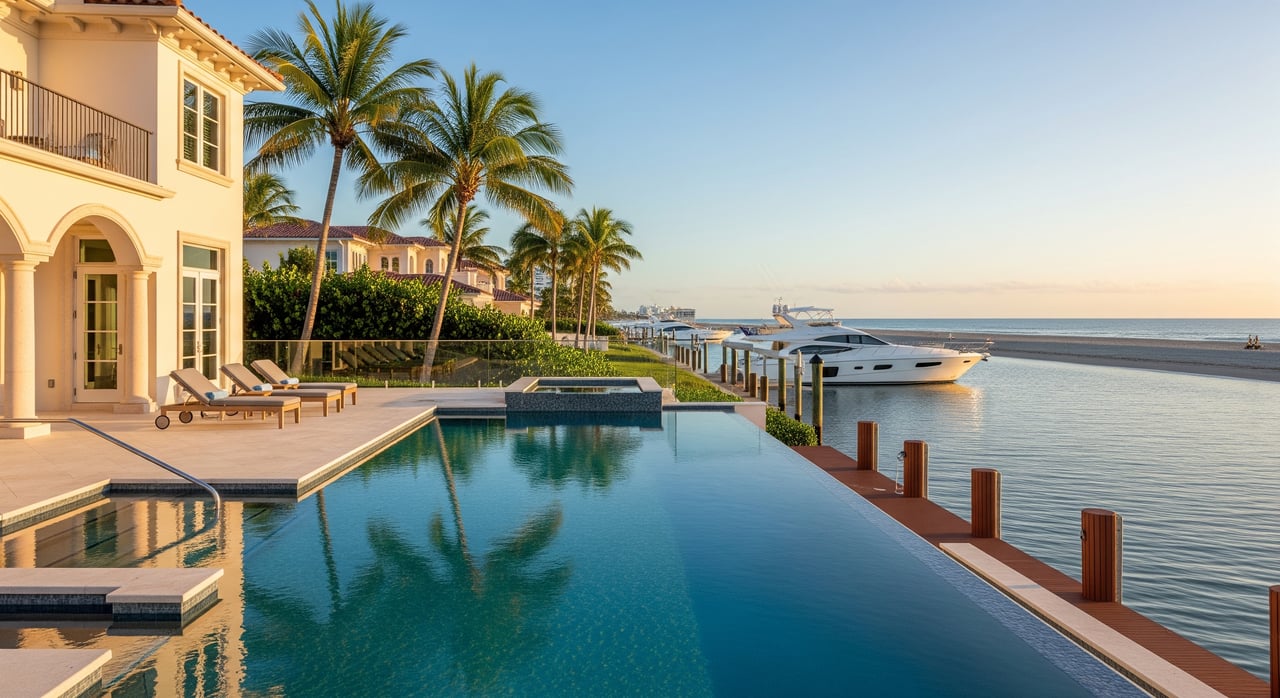
Boca Raton Waterfront vs Oceanfront: How They Differ
Are you torn between oceanfront and waterfront living in Boca Raton? The difference shapes your lifestyle, risk profile, maintenance needs, and long‑term value. You want both the beach dream and a smart investment. In this guide, you will learn the clear definitions, the rules that matter, cost and insurance realities, boating access, and a practical checklist to protect your purchase or sale. Let’s dive in.
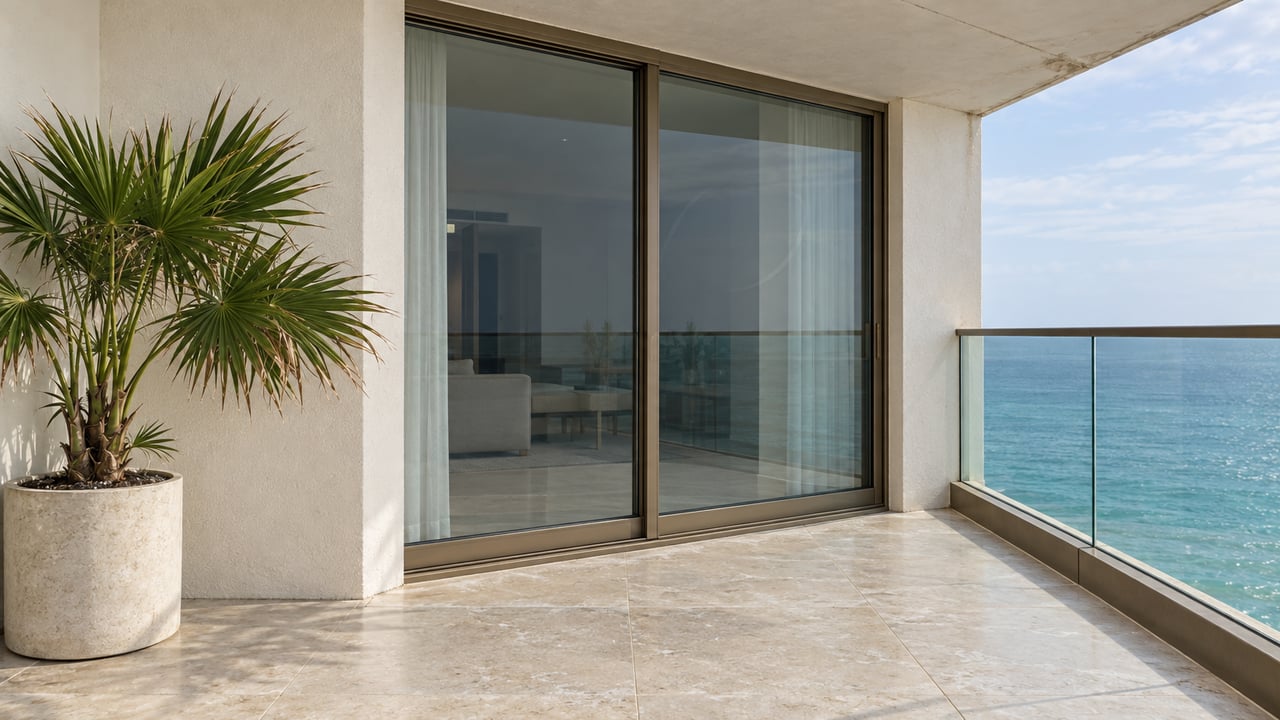
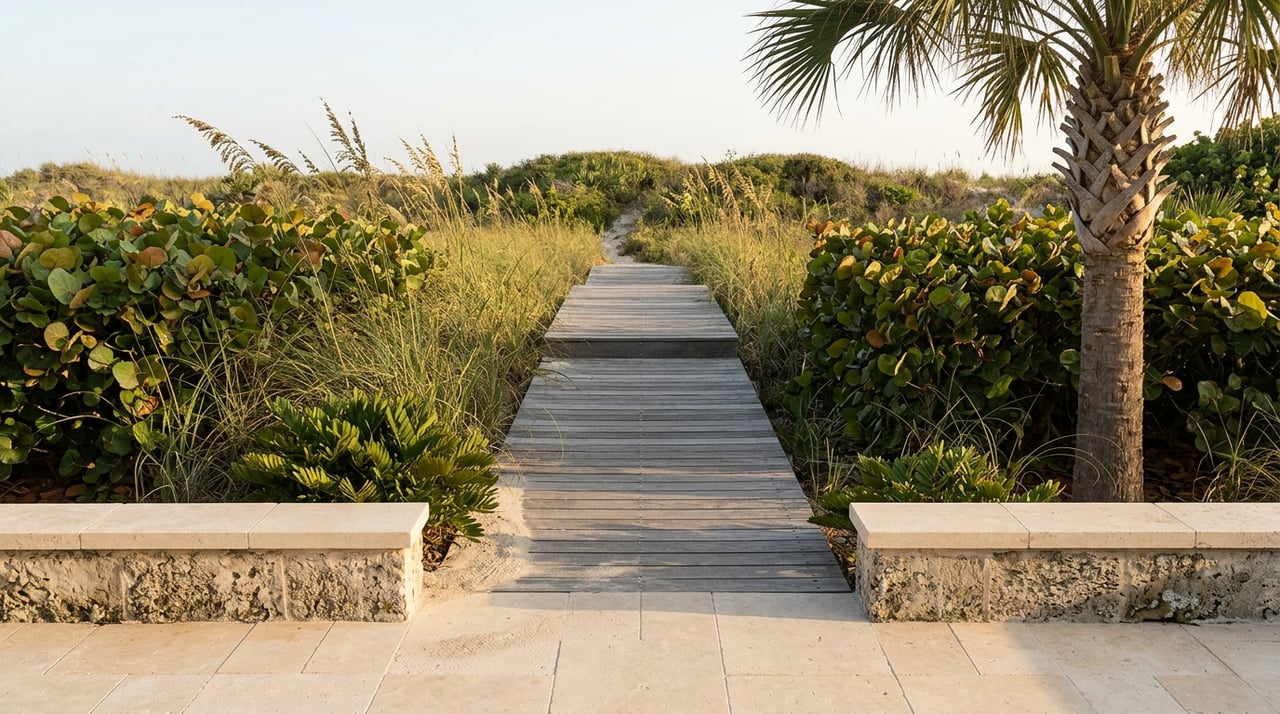
Oceanfront means your property fronts the Atlantic Ocean, with the beach and dune system between you and open water. You get direct sand access or immediate beach frontage, wide ocean views, and full exposure to wave energy.
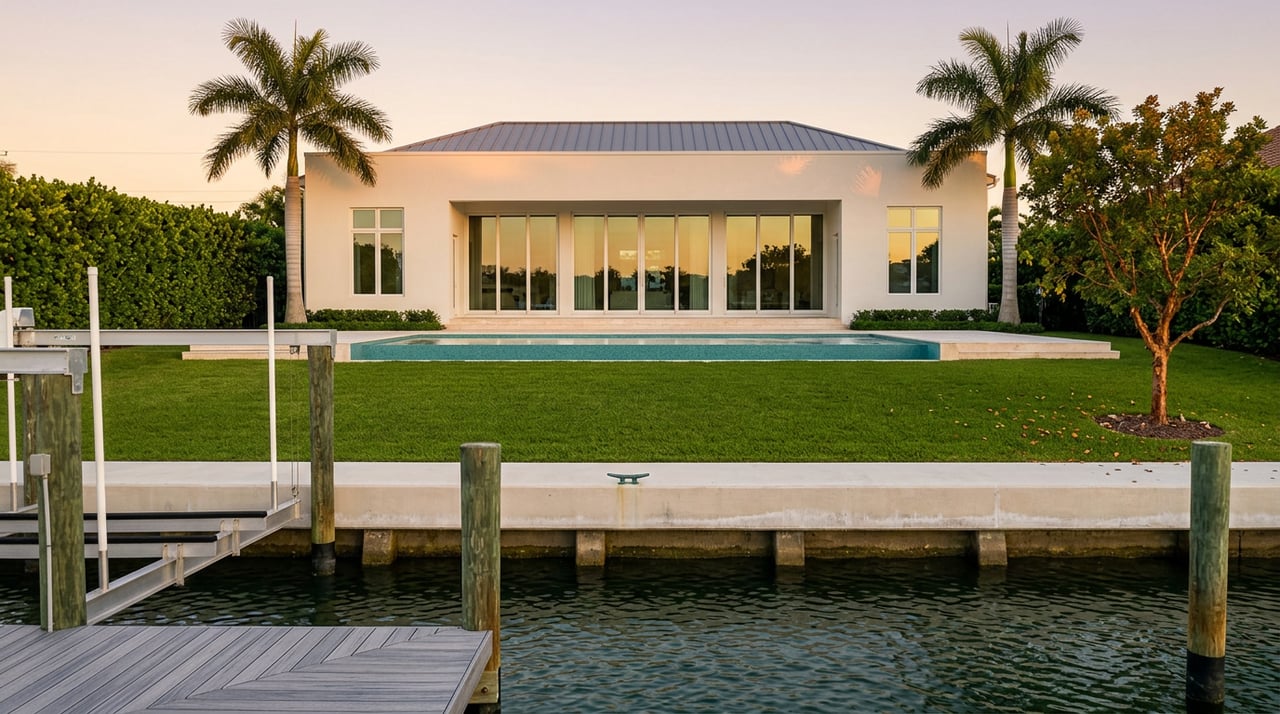
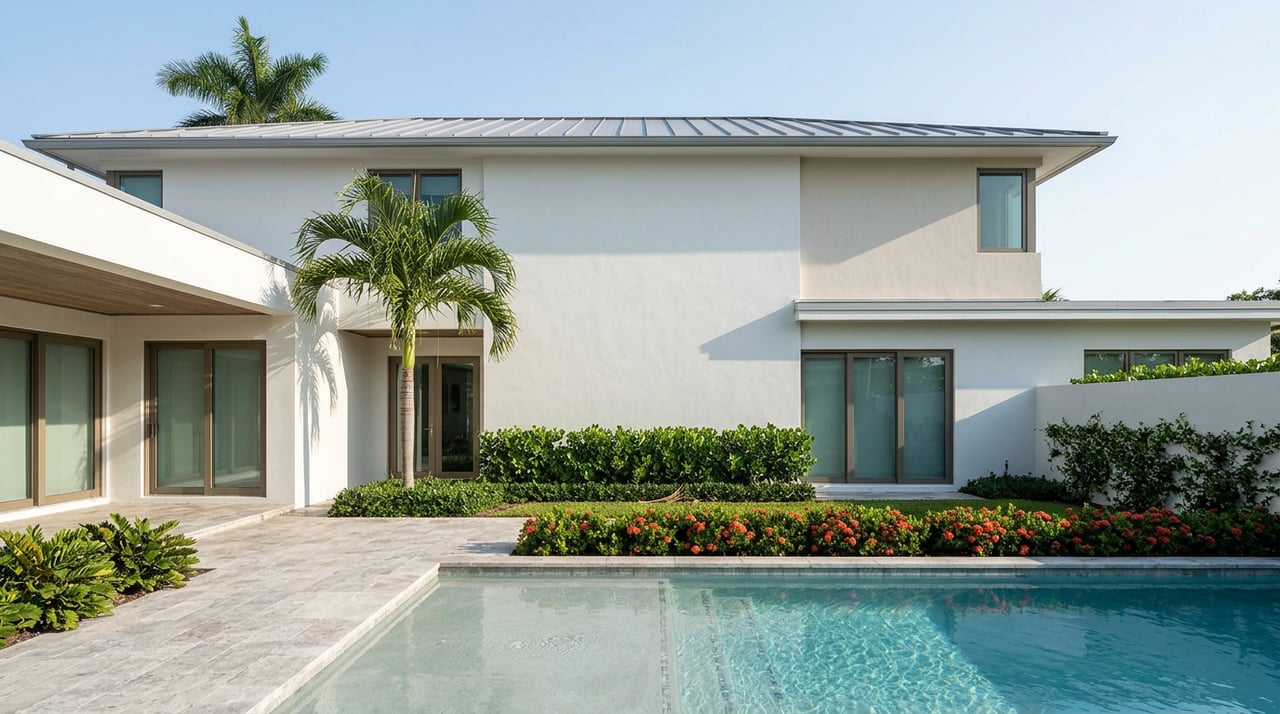
Waterfront is a broader category. In Boca Raton, it usually means the Intracoastal Waterway, canal-front, or lakefront. These waters are more protected than the ocean, often with private docks, variable depths, and tidal influence on the Intracoastal.
Why this matters: Oceanfront brings the highest exposure to surf, storm surge, and erosion risk, paired with a scarcity premium for beach access and views. Waterfront on the Intracoastal or canals focuses on boat access, protected water, and different permitting and maintenance needs.
If daily sand walks and panoramic Atlantic views are your priority, oceanfront aligns with that lifestyle. You can expect direct beach adjacency, the sound of surf, and a front-row seat to sunrise.
If boating is central to your routine, Intracoastal or canal properties often win. Many homes include docks or lifts, and protected water can mean fewer weather cancellations. Depth, tidal flow, and bridge clearance still matter, especially for larger vessels.
Privacy is personal and site-specific. Some buyers prefer the energy of the beach. Others value the quieter setting, controlled boat access, and protected views that canal or Intracoastal homes can provide.
Oceanfront faces the greatest wave energy, coastal erosion, and storm surge exposure. Intracoastal and canal properties are more sheltered from surf, yet still vulnerable to surge and tidal flooding during major storms.
Florida’s Coastal Construction Control Line, managed by the Florida Department of Environmental Protection, governs construction seaward of the line and near the dune system. Oceanfront building, dune work, and shoreline hardening typically require state review and permits. Expect stricter requirements and longer timelines.
Flood zones apply across Boca Raton. Many oceanfront parcels fall in V zones with wave hazards, while Intracoastal and canal properties are often in A or AE zones. Lenders commonly require elevation certificates. These documents help price flood insurance and help you understand your building’s elevation relative to base flood elevation.
Seawalls, docks, dredging, and shoreline structures require permitting. Work may involve state and federal agencies, the city, and the county. Mangroves, seagrasses, and other coastal habitats are protected, so trimming or removal is regulated. Homeowners’ associations can add rules about seawall standards, dock dimensions, and short-term rentals.
Insurance is a material driver of total cost. Oceanfront properties often carry higher flood and wind premiums due to wave exposure, code requirements, and replacement costs. Intracoastal and canal homes may see lower wave risk, yet still need robust flood and wind coverage.
Maintenance is different by waterbody. Oceanfront salt spray and wind accelerate corrosion and weathering. On the Intracoastal and canals, seawalls, docks, lifts, and boat channels need upkeep. Dredging or dock repairs can be significant capital items.
Plan to review historical claims, current policies, wind mitigation features, and elevation certificates early in your process. Buyers who underwrite these costs up front make stronger decisions.
For boat-focused buyers, the details matter more than the view:
Oceanfront properties usually command a premium for direct beach access, unobstructed views, and limited supply. In Boca Raton, true oceanfront lots are scarce, which supports pricing. Intracoastal and canal homes also command strong premiums, especially when they offer deep-water or direct access for larger yachts.
Carrying costs influence net return. Oceanfront can mean higher insurance and exterior maintenance, while Intracoastal and canal homes often incur periodic capital needs for seawalls, docks, and dredging. For investors, these inputs shape your net yield and optimal hold period.
Short-term rental potential can be attractive, but not all properties or neighborhoods allow it. City rules, county policies, and HOA covenants vary. Always verify local short-term rental rules, zoning, and licensing before underwriting rental income.
Long-term resilience matters for resale. Buyers and lenders are paying more attention to flood zones, elevation, sea-level projections, and coastal-management rules. Properties with documented mitigation and compliant improvements can stand out at resale.
Seawalls and shoreline structures require regular inspection. Material, age, and repair history drive replacement timelines and costs. Confirm whether the seawall is fully on your property and whether neighbors or an association share responsibility.
Docks and lifts are part of the asset. Evaluate condition, permitted dimensions, and the as-built layout. Check maintenance records for lifts and any electrical work. For larger boats, confirm navigable depth along your route to the Intracoastal and ocean inlets.
Salt air impacts mechanical systems and finishes. Plan for more frequent exterior painting, hardware replacement, and HVAC service. Wind-rated openings and roofing can improve resilience and insurance outcomes.
Track environmental obligations. Mangrove protection, seagrass rules, and dune restoration can limit certain activities. Oceanfront owners should monitor beach renourishment schedules and any special assessments that could apply.
Choose oceanfront if you prioritize the beach lifestyle and uninterrupted Atlantic views, and you are comfortable with higher exposure to surf, erosion, and insurance costs. Oceanfront can be a legacy asset when maintained and documented well.
Choose Intracoastal or canal waterfront if boating access, protected water, and dock infrastructure are core to your use. Verify depth, bridge constraints, and permitted improvements so your vessel and future plans fit the site.
If you are an investor, model total cost of ownership, capital schedules for seawalls and docks, insurance trends, and exit liquidity. Demand is strong for both segments, but the right underwriting can improve your returns and reduce risk.
When you want a finance-first view of a specific property, we can help you weigh lifestyle benefits against carrying costs, permitting realities, and long-term resilience. For a confidential, data-driven strategy, connect with Illustrated Properties Palm Beach.
Stay up to date on the latest real estate trends.
Ready to transform your real estate experience? Contact Thomas now to discover how he can guide you with personalized service, exceptional results, and unmatched expertise. Let's achieve your goals together!