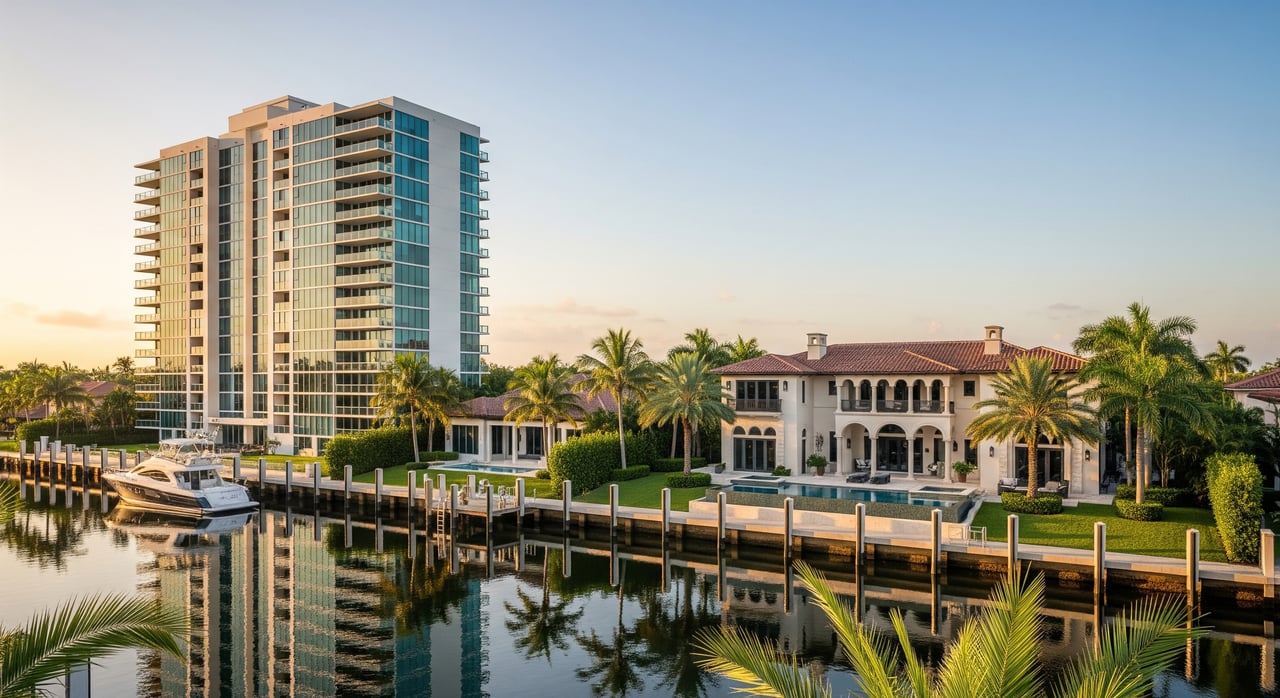
Choosing Between a Boca Raton Waterfront Condo or House
Dreaming of living on the water in Boca Raton but not sure whether a condo or a single-family home fits you best? You are not alone. Each option offers a different mix of lifestyle, control, cost, and risk on South Florida’s shoreline. In this guide, you will compare the key tradeoffs so you can move forward with clarity and confidence. Let’s dive in.
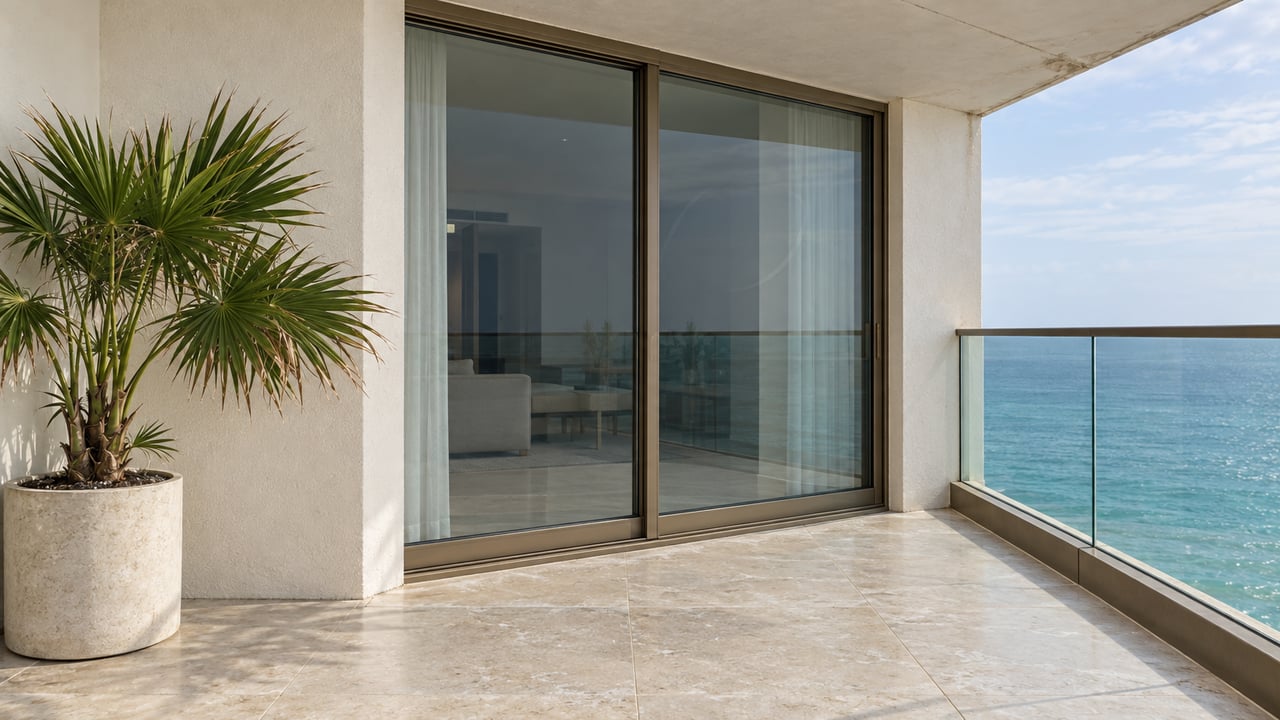
Direct Atlantic exposure with beach access and sweeping views. These properties offer the ultimate coastal experience, but they often face higher wind and salt exposure and specific coastal permitting.
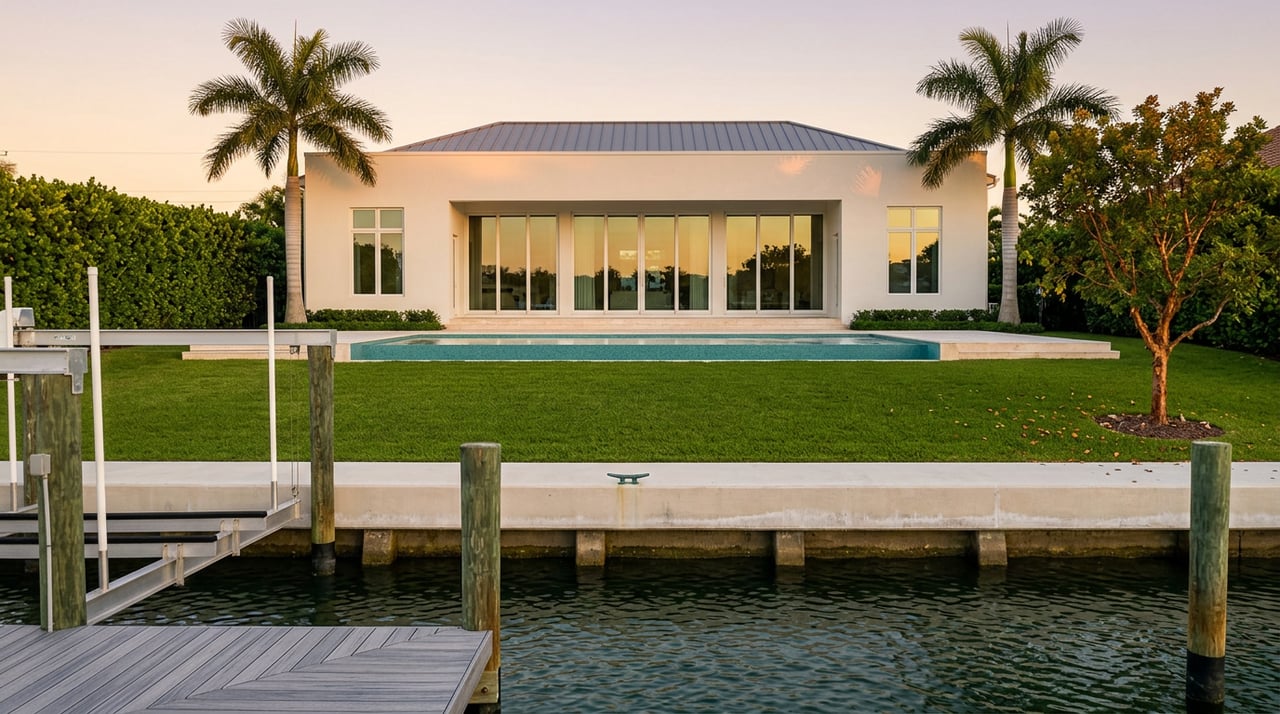
Homes and condos along the ICW may offer deepwater access and private or shared docks. Boat size and dock use depend on setbacks, water depth, and local rules.
Neighborhood canals feed into the ICW and can offer protected dockage. Travel time to the inlet, bridge clearances, and canal width can affect daily boating.
Freshwater settings inside planned communities offer water views without ocean boating. They typically carry different maintenance and flood profiles than saltwater.
You own the interior of your unit while the association manages the building exterior, grounds, and amenities. Rules govern things like dock use, parking, rentals, pets, and exterior changes. Association budgets, reserve funding, and special assessments are central to your risk and long-term cost.
You own the home and land. You control exterior updates, docks, and lifts subject to permits. You also take on all maintenance for the structure, yard, seawall, and dock unless the property sits in a managed HOA community.
Private docks and boat lifts usually require city, county, and sometimes state or federal approvals. Expect rules on size, setbacks, lighting, and environmental protections. Live-aboard and commercial uses are typically restricted by local code or HOA covenants.
Waterfront properties face two key coverages: wind and property insurance plus flood insurance. Condos typically carry a master policy for the structure and common elements, while you carry an HO-6 and any needed wind or flood coverage for your unit. Single-family owners carry full property and flood policies. Premiums and deductibles have been rising in recent years, and availability can influence lending.
Condo financing depends on the building’s financial strength and compliance. Lenders review reserve levels, owner-occupancy ratios, litigation, and inspection history. Government-backed loans may require project approvals. Single-family homes usually follow standard underwriting, with attention to elevation and insurability.
Property taxes follow Palm Beach County assessments and exemptions. Waterfront land often carries a premium. Condo owners also face the possibility of special assessments for major repairs if reserves are low.
Seawall condition is a material issue for both value and safety. Expect periodic repairs or replacement over time. Docks and lifts require ongoing maintenance and may have size and use limits. All work should comply with permits to protect future resale and insurance eligibility.
South Florida is exposed to hurricanes and tropical storms. Flood zones, elevation certificates, and storm protection features influence risk and cost. Review FEMA flood maps and ask for past claims history to understand how a property performs during hurricane season.
Salt accelerates corrosion. HVAC components, metal railings, boat lifts, and hardware may need more frequent service or replacement. Older waterfront condo buildings can face concrete restoration, waterproofing, and structural work that affect fees and marketability.
Building-level issues can drive value. Reserve strength, special assessments, structural reports, and litigation can affect buyer interest and financing. A well-managed association with clear documentation supports liquidity.
Waterfront parcels are limited. Single-family properties often command premiums for privacy, land, and dock rights. Liquidity depends on price segment, condition, and location relative to the ICW and inlet access.
If you are seeking a turnkey lifestyle with amenities and predictable exterior maintenance, a waterfront condo can be a strong fit. If privacy, dock control, and the freedom to renovate matter most, a single-family home likely aligns better. In both cases, your decision should account for insurance availability, flood zone and elevation, seawall and dock condition, and, for condos, the financial health of the association.
When you weigh lifestyle goals against long-term ownership costs and risk, the right path becomes clearer. A focused, property-by-property review will help you secure the waterfront experience you want with the financial outcomes you expect.
Ready to evaluate specific Boca Raton opportunities and run a side-by-side of true ownership costs? Schedule a private consultation with Illustrated Properties Palm Beach for a tailored plan and discreet representation.
Stay up to date on the latest real estate trends.
Ready to transform your real estate experience? Contact Thomas now to discover how he can guide you with personalized service, exceptional results, and unmatched expertise. Let's achieve your goals together!